
How to Start Mountaineering: First Routes in the Pamir
Often called the “Roof of the World,” the Pamirs may seem extreme – yet they offer some of Central Asia’s most accessible routes for beginner mountaineers.
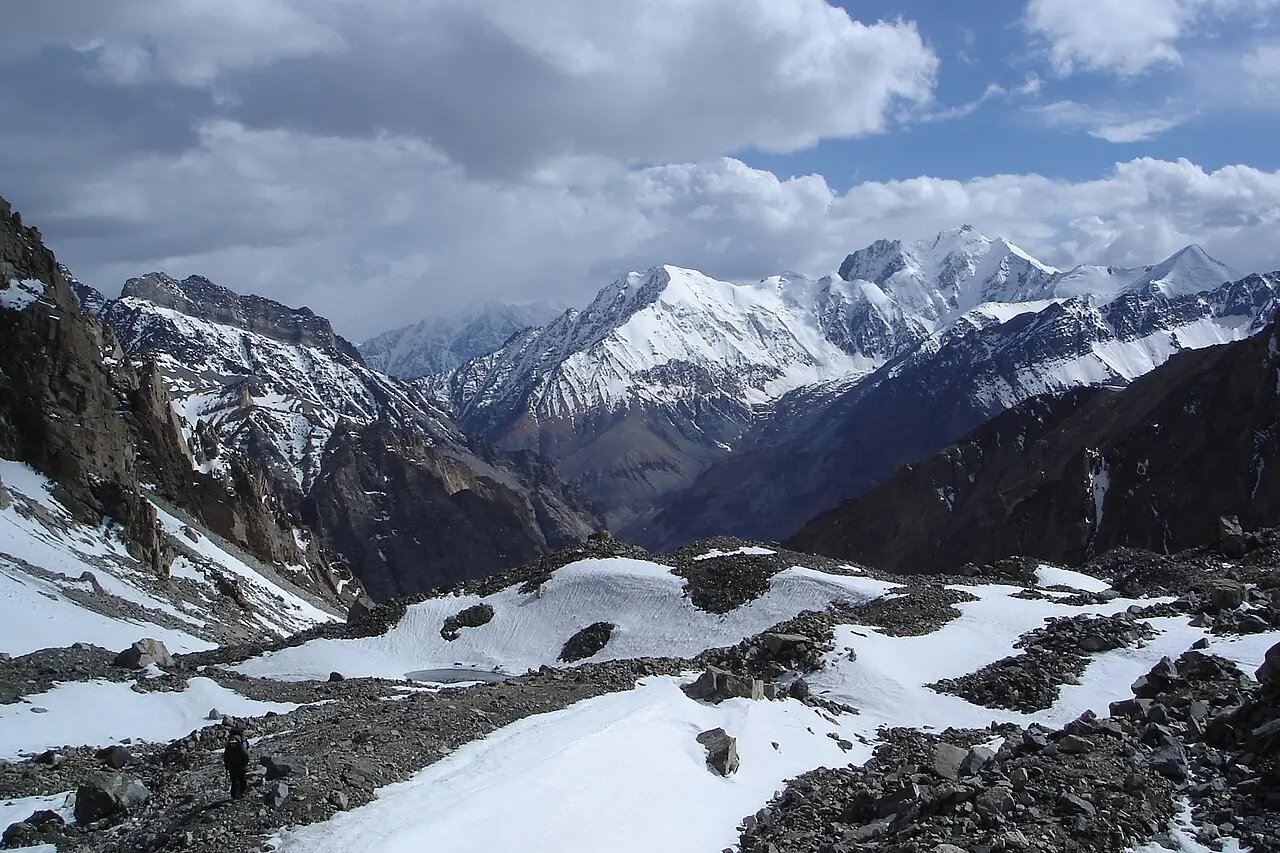
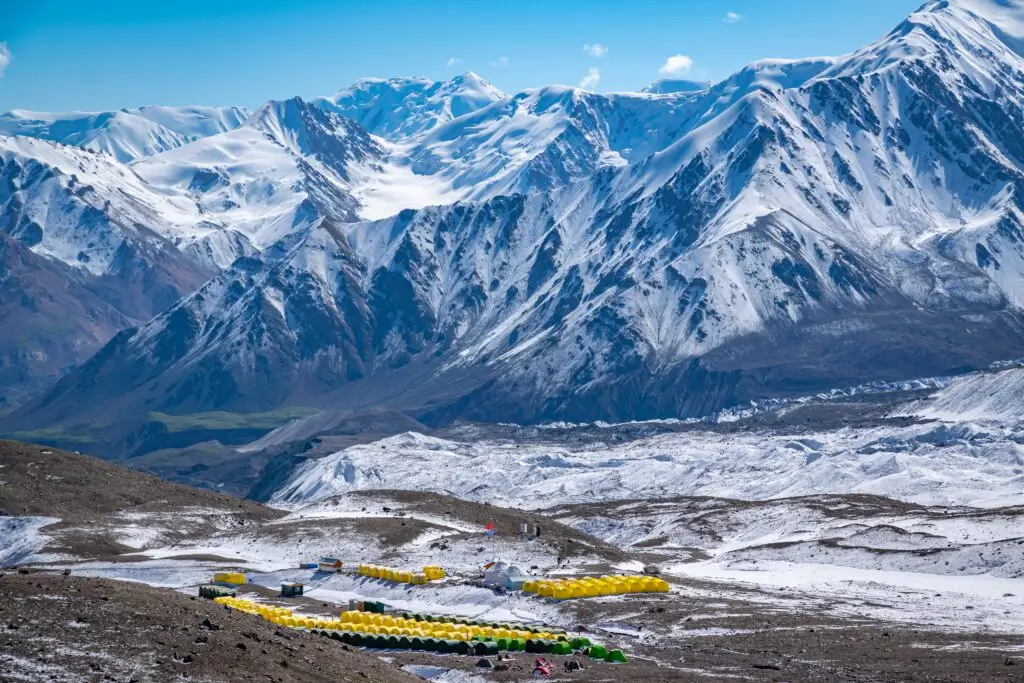
Pamir Mountains, Photo: AmanovDmitry
Regional Overview
The Pamir Mountains rise across Tajikistan, Kyrgyzstan, and Afghanistan, forming one of the highest and most remote mountain regions on Earth. Vast plateaus, long glaciated valleys, and broad snow-covered peaks define the landscape, giving the Pamirs a unique character that feels more open and expansive than the Himalaya or the Caucasus.
Despite their reputation for altitude and remoteness, the Pamirs are home to several non-technical, well-established routes that have long been used to introduce climbers to high-altitude mountaineering. Soviet-era exploration, base camp infrastructure, and classic ascent lines make this range especially suitable for beginners ready to experience altitude above 6,000 meters in a controlled and structured way.
This guide focuses on four beginner-friendly Pamir objectives, all located in Central Asia, where non-technical terrain, gradual ascents, and expedition-style logistics offer a strong foundation for first-time mountaineers.
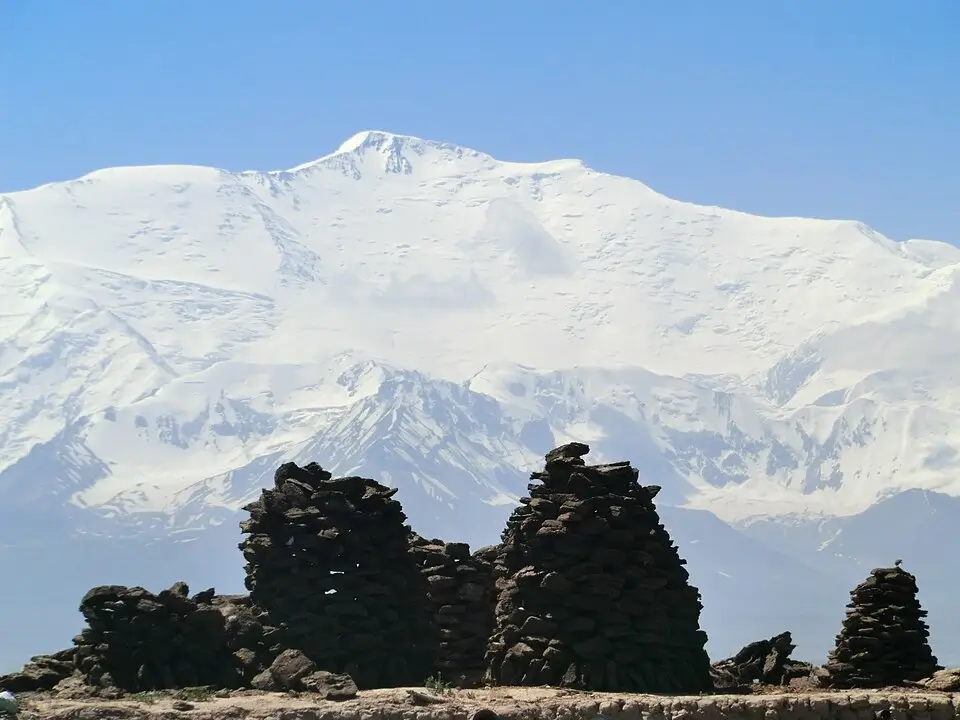
Lenin peak as seen from the north. Taken from Sary-Mogol.
Peak Lenin / Ibn Sina Peak (7,134 m)
The Pamirs’ most famous beginner summit and a classic first 7,000-meter mountain.
Overview
Peak Lenin rises gently above the Alay Valley on the border of Tajikistan and Kyrgyzstan, its massive snow dome visible from far across the plateau. Unlike many peaks of similar height, Lenin Peak is known for its broad slopes and absence of technical climbing on the normal route, making it one of the most accessible 7,000-meter summits in the world.
Access / Base Location
Most climbers begin from Osh, Kyrgyzstan, traveling to base camp in the Alay Valley. The approach is well established, with permanent base camps, porters, and logistical support commonly available throughout the climbing season.
Easiest Route
The normal route ascends gradually through a series of camps, following wide glacier systems and snow slopes. While crevasse awareness and roped travel are required, the terrain remains non-technical. The climb emphasizes acclimatization, pacing, and endurance rather than technical skills.
Best Season & Difficulty
Best Season: July to August
Difficulty: Easy to Moderate (PD / F+)
Duration: 14-18 days
Why It’s Good for Beginners
Peak Lenin is often the first major expedition for aspiring high-altitude mountaineers. Its predictable terrain, established infrastructure, and gradual ascent profile make it an ideal training ground for learning expedition rhythm and altitude management.
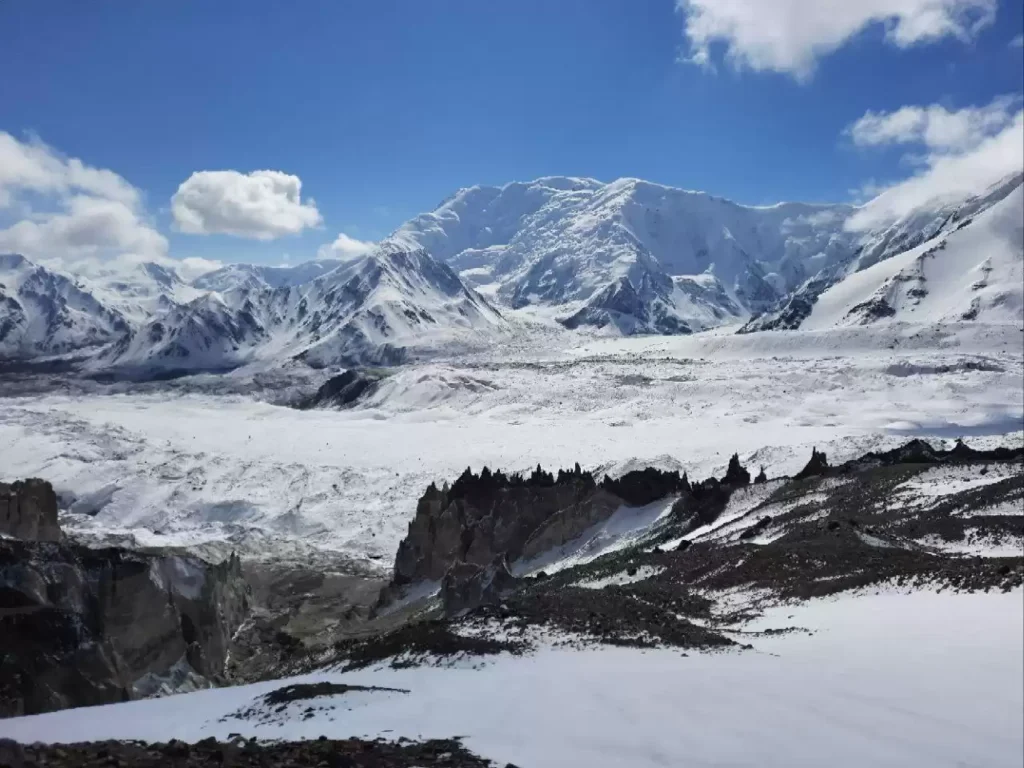
Peak Yukhin (5,130 m)
A popular acclimatization peak offering panoramic views of the Alay Valley.
Overview
Peak Yukhin stands near Peak Lenin and is frequently used as an acclimatization objective before higher climbs. Though far lower in elevation, it provides a genuine alpine experience, with snow slopes, glacier travel, and sweeping views across the Pamir plateau.
Access / Base Location
The ascent begins directly from Lenin Peak Base Camp, making logistics simple and flexible. Many climbers use Yukhin as their first climb after arriving in the region.
Easiest Route
The route follows moderate snow slopes and open ridges, gradually gaining altitude without technical obstacles. Conditions are usually stable during the main season, allowing beginners to focus on movement, breathing, and acclimatization.
Best Season & Difficulty
Season: July to August
Difficulty: Easy (F)
Duration: 1-2 days
Why It’s Good for Beginners
Peak Yukhin is an ideal introduction to Pamir terrain. It allows climbers to practice snow travel and altitude adaptation before committing to longer or higher objectives.
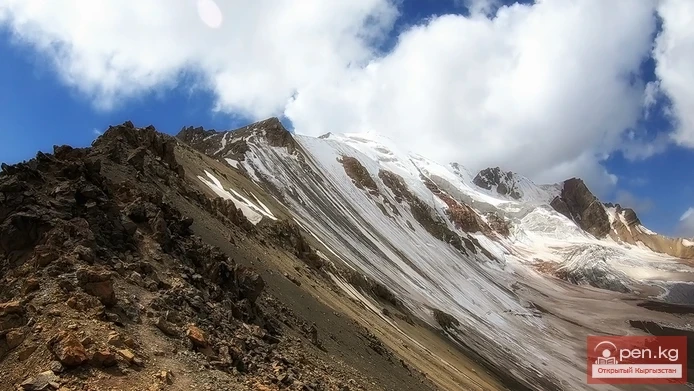
Peak Petrovsky (4,700 m), Photo: open.kg
Peak Petrovsky (4,700 m)
A quiet, accessible summit perfect for first high-altitude experience.
Overview
Peak Petrovsky is a lesser-known but highly suitable objective for beginners seeking a first taste of Pamir mountaineering without extreme altitude. Its gentle slopes and isolated position offer a calm, rewarding climb far from crowds.
Access / Base Location
Access is typically arranged through Pamir Highway settlements or small regional base camps, depending on conditions. The remoteness of the area adds to the experience but does not complicate the route itself.
Easiest Route
The normal route follows broad snowfields and uncomplicated alpine terrain. Navigation is straightforward, and the ascent focuses on steady progress rather than technical problem-solving.
Best Season & Difficulty
Season: July to early September
Difficulty: Easy to Moderate (PD)
Duration: 2-3 days
Why It’s Good for Beginners
Peak Petrovsky provides solitude, altitude, and a sense of exploration while remaining non-technical. It’s well suited for climbers building confidence before moving on to larger Pamir expeditions.
Peak Razdelnaya, Photo: ak-sai.com
Peak Razdelnaya (6,148 m)
A classic intermediate summit often climbed as part of Lenin Peak expeditions.
Overview
Peak Razdelnaya sits along the normal route to Peak Lenin and is often climbed as an acclimatization summit. At over 6,000 meters, it offers a significant altitude challenge while remaining technically straightforward.
Access / Base Location
The peak is accessed from Lenin Peak high camps, typically after several days of acclimatization. It integrates naturally into longer expeditions without requiring separate logistics.
Route Summary (Easiest Route)
The ascent follows gentle snow slopes and wide ridges, with no technical sections. Climbers must manage altitude carefully, but the route itself remains predictable and safe under good conditions.
Best Season & Difficulty
- Season: July to August
- Difficulty: Easy to Moderate (F / PD-)
- Duration: 1 day from high camp
Why It’s Good for Beginners
Peak Razdelnaya introduces climbers to movement above 6,000 meters in a controlled setting. It’s an important stepping stone toward higher summits and longer expeditions.
Final
The Pamir Mountains offer a unique entry point into high-altitude mountaineering. Their broad terrain, non-technical routes, and well-established expedition infrastructure allow beginners to focus on the fundamentals: acclimatization, pacing, teamwork, and decision-making. Peaks like Lenin, Yukhin, Petrovsky, and Razdelnaya demonstrate that even in one of the world’s highest ranges, mountaineering can begin with patience and preparation rather than technical difficulty.
For those ready to step into Central Asia’s vast alpine landscapes, the Pamirs offer an unforgettable and formative start.

Share this post:



Comments
2 Comments
Great blog! I am loving it!! Will be back later to read some more. I am bookmarking your feeds also.
I like this website so much, saved to favorites.