
How to Start Mountaineering: First Routes in the Karakoram
Known for the world’s hardest climbs, the Karakoram also hides gentler routes that introduce beginners to high-altitude mountaineering.
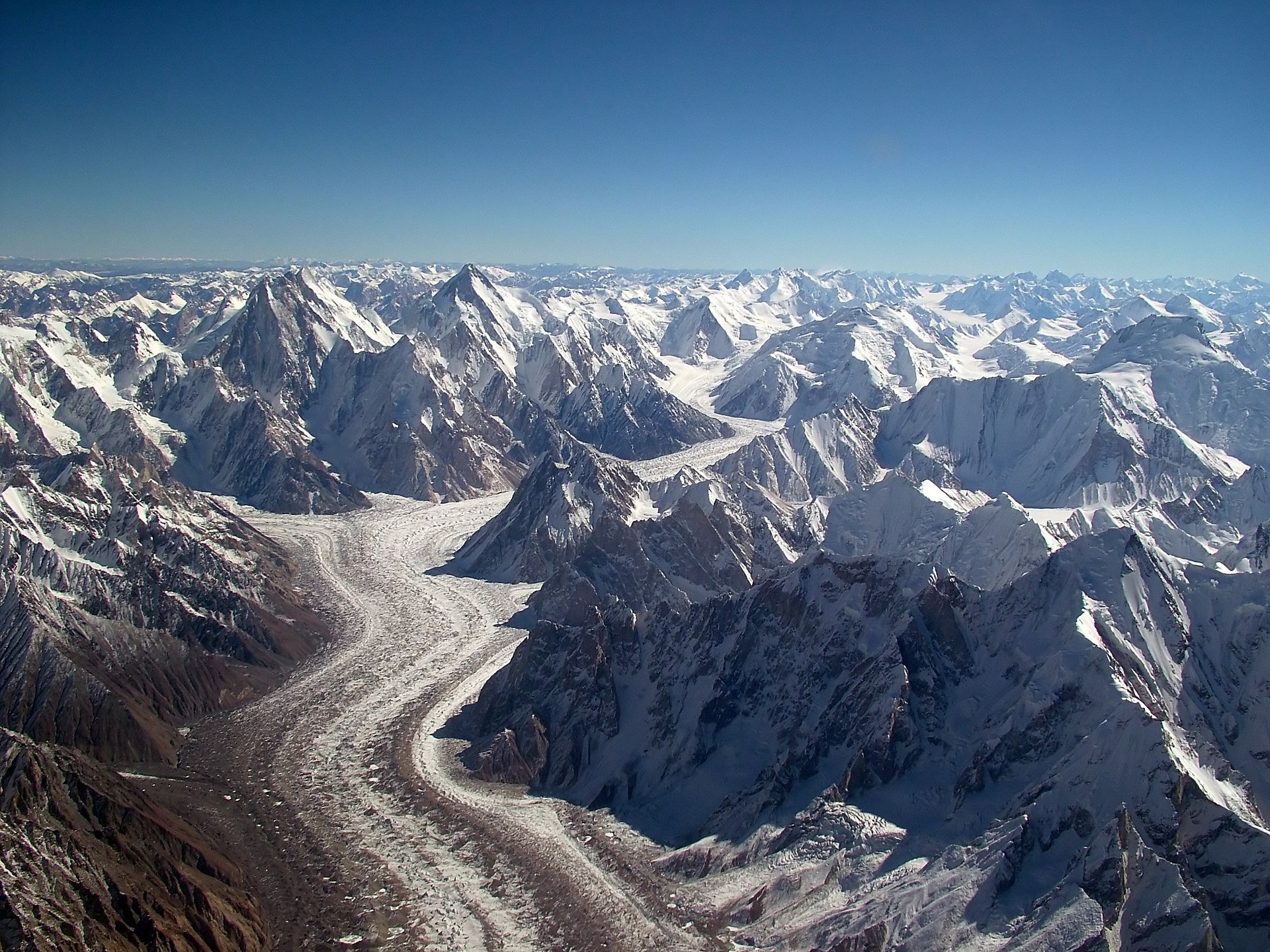
Karakoram, Photo: Wikipedia
Regional Overview
The Karakoram stretches across Pakistan, India, and China, forming one of the most dramatic and heavily glaciated mountain ranges on Earth. Home to legendary peaks like K2, Broad Peak, and Gasherbrum I, the range is often seen as the domain of elite alpinists and extreme expeditions. Steep granite walls, massive icefalls, and remote valleys define its reputation.
Yet the Karakoram is not exclusively technical. Along its wide glacier systems and outer valleys, several non-technical and moderately angled peaks have long been used as training and acclimatization objectives. These mountains demand respect, patience, and preparation, but they allow beginners to experience true Karakoram scale without technical climbing. This guide focuses on four realistic introductory objectives where climbers can safely take their first steps into Karakoram mountaineering.
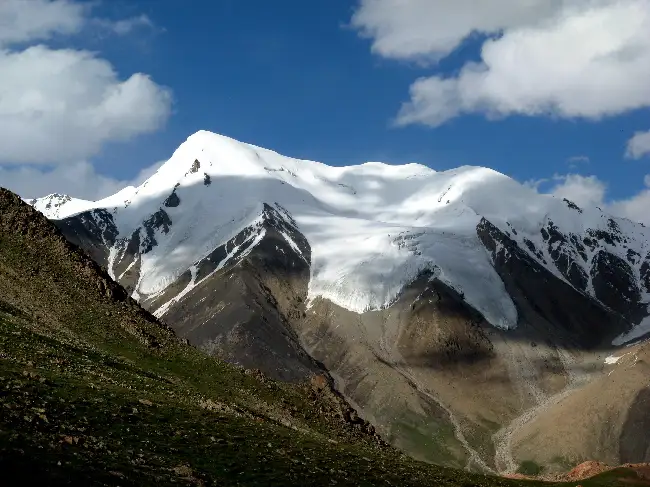
Minglik Sar (6,050 m), by baltistanadventure
Minglik Sar (6,050 m)
A quiet Karakoram summit offering a gentle introduction to glacier travel and altitude.
Overview
Minglik Sar rises above the upper reaches of the Hushe Valley, standing apart from the famous granite spires nearby. While its neighbors draw technical climbers, Minglik Sar offers a calmer profile, with broad snow slopes and long glacier approaches that make it suitable for beginner mountaineers seeking a first Karakoram experience above 6,000 meters.
Access / Base Location
The climb begins from the Hushe Valley, one of the main gateways to the eastern Karakoram. Trekking routes and porter support are well established here, allowing climbers to reach base camp gradually and acclimatize naturally.
Easiest Route
The standard route follows wide glacier systems and gentle snow slopes, avoiding steep or technical terrain. Crevasse awareness and roped travel are necessary, but the climbing itself remains straightforward. The summit offers expansive views across surrounding glaciers and distant Karakoram giants.
Best Season & Difficulty
Best Season: July to August
Difficulty: Easy to Moderate (PD / F+)
Duration: 10-14 days
Why It’s Good for Beginners
Minglik Sar introduces beginners to expedition pacing, glacier travel, and altitude without technical climbing. It’s an ideal first objective for learning how Karakoram expeditions function.
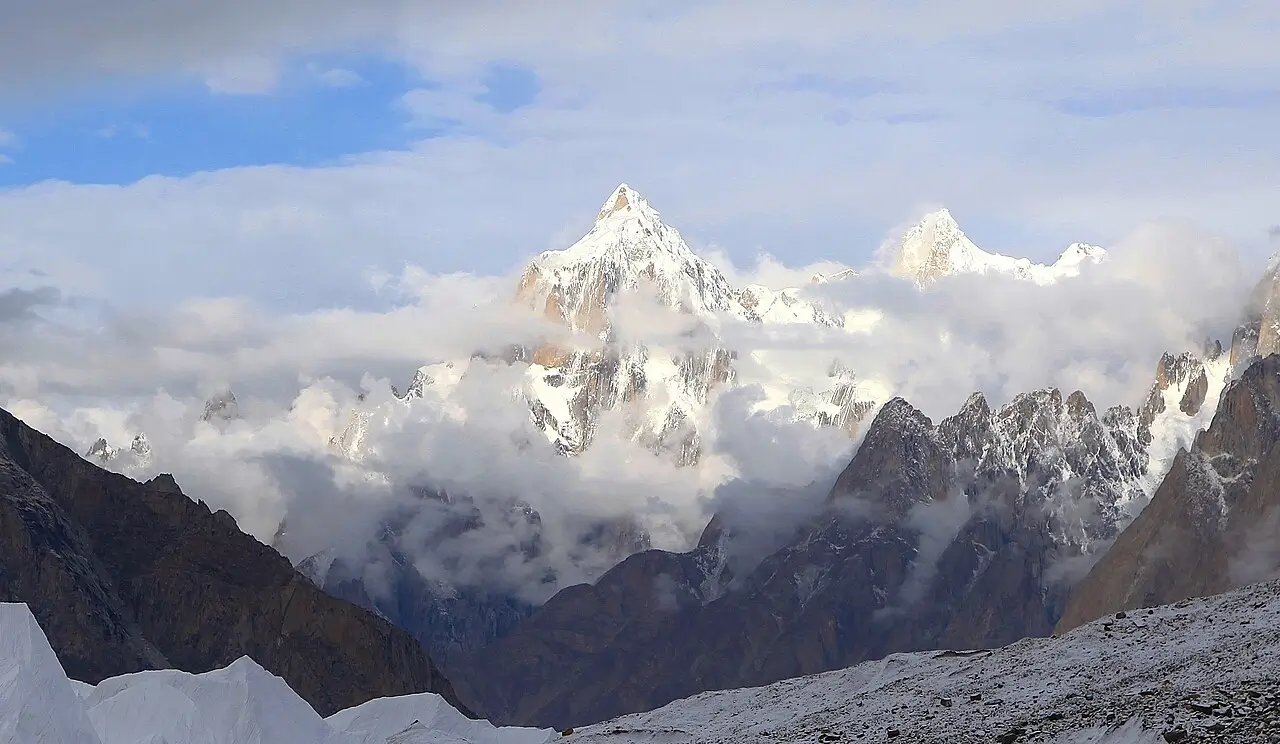
Paiju Peak (6,610 m)
A classic glacier-based peak near the Baltoro region, suitable for patient beginners.
Overview
Paju Peak rises near the entrance to the Baltoro Glacier, one of the most famous trekking corridors in the world. While the Baltoro is known for dramatic spires and difficult climbs, Paju Peak itself offers a more forgiving ascent profile, with long snow slopes and a gradual summit approach.
Access / Base Location
Access follows the Baltoro trekking route, starting from Askole. This well-known approach allows for steady acclimatization and logistical support through established camps and porter networks.
Easiest Route
The normal route ascends moderate glacier terrain and broad snowfields. The climb emphasizes endurance and acclimatization rather than technical skills. Weather and timing play a major role, but under stable conditions the route remains manageable for beginners.
Best Season & Difficulty
Season: July to August
Difficulty: Moderate (PD)
Duration: 12-16 days
Why It’s Good for Beginners
Paju Peak offers a rare chance to climb above 6,500 meters in the Karakoram without technical difficulty. It teaches long-range planning, weather awareness, and glacier discipline – core mountaineering skills.
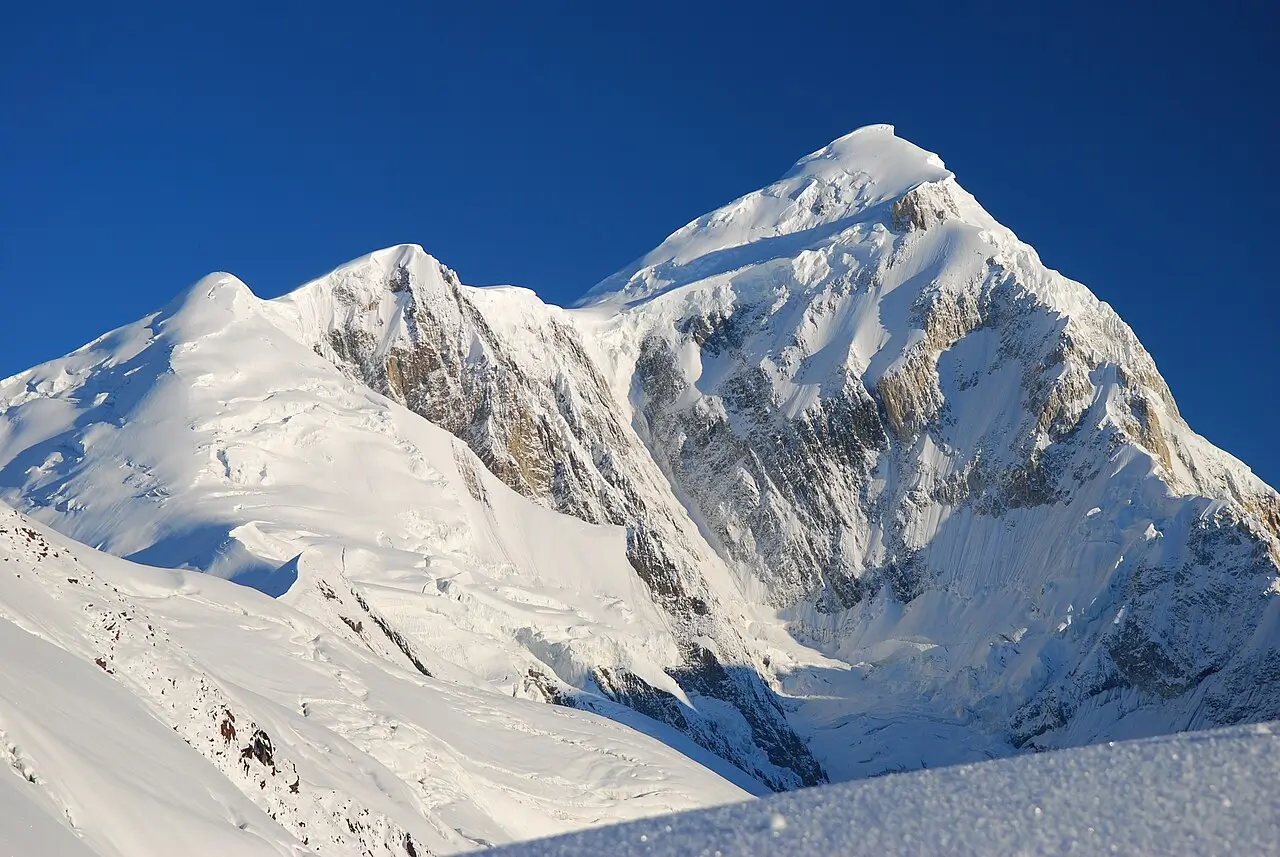
Spantik / Golden Peak (7,027 m). Photo: Wikipedia
Spantik / Golden Peak (7,027 m)
A high but approachable summit often called the “easiest” 7,000-meter peak in the Karakoram.
Overview
Spantik, also known as Golden Peak, rises between the Hunza and Baltistan regions and is widely regarded as one of the most accessible 7,000-meter mountains in the Karakoram. Its smooth snow dome and moderate slopes contrast sharply with the jagged peaks nearby, making it a popular first 7,000-meter objective.
Access / Base Location
The climb begins from Arandu village, with porters supporting the approach to base camp. The region is remote but well known, and logistics are relatively straightforward for experienced expedition teams.
Easiest Route
The standard route follows long glacier approaches and sustained snow slopes. While crevasses and altitude pose serious challenges, the terrain remains non-technical. Climbers must be well acclimatized and prepared for extended time at high camps.
Best Season & Difficulty
Season: June to early August
Difficulty: Moderate (PD)
Duration: 18-22 days
Why It’s Good for Beginners
For strong, well-prepared beginners, Spantik offers a first experience above 7,000 meters without technical climbing. It’s often considered a bridge between introductory expeditions and more serious Karakoram objectives.
Khosar Gang (6,046 m)
A lesser-known peak offering solitude and classic Karakoram glacier terrain.
Overview
Khosar Gang lies away from the main climbing corridors, providing a quieter Karakoram experience. Its broad snowfields and long approaches make it suitable for beginners seeking a less crowded environment while still experiencing true expedition conditions.
Access / Base Location
Access typically involves extended trekking through remote valleys, with porter support essential for reaching base camp. The remoteness adds complexity but also deepens the sense of exploration.
Easiest Route
The easiest ascent follows glacier routes with moderate snow slopes and no technical barriers. Route finding and camp placement are important, but the climbing itself remains accessible under stable conditions.
Best Season & Difficulty
Season: July to August
Difficulty: Easy to Moderate (F / PD-)
Duration: 14-18 days
Why It’s Good for Beginners
Khosar Gang helps beginners develop independence, decision-making, and expedition awareness in a true Karakoram setting, without the pressure of technical climbing.
Final
The Karakoram Mountains demand humility and preparation, but they are not closed to beginners. Along their wide glaciers and gentler peaks, climbers can learn the foundations of high-altitude mountaineering: patience, acclimatization, teamwork, and respect for scale. Peaks like Minglik Sar, Paju Peak, Spantik, and Khosar Gang show that starting mountaineering in the Karakoram is not about difficulty, but about learning to move responsibly in one of the world’s greatest mountain landscapes.

Share this post:



Comments