
Everest’s Spring Twist No One Expected
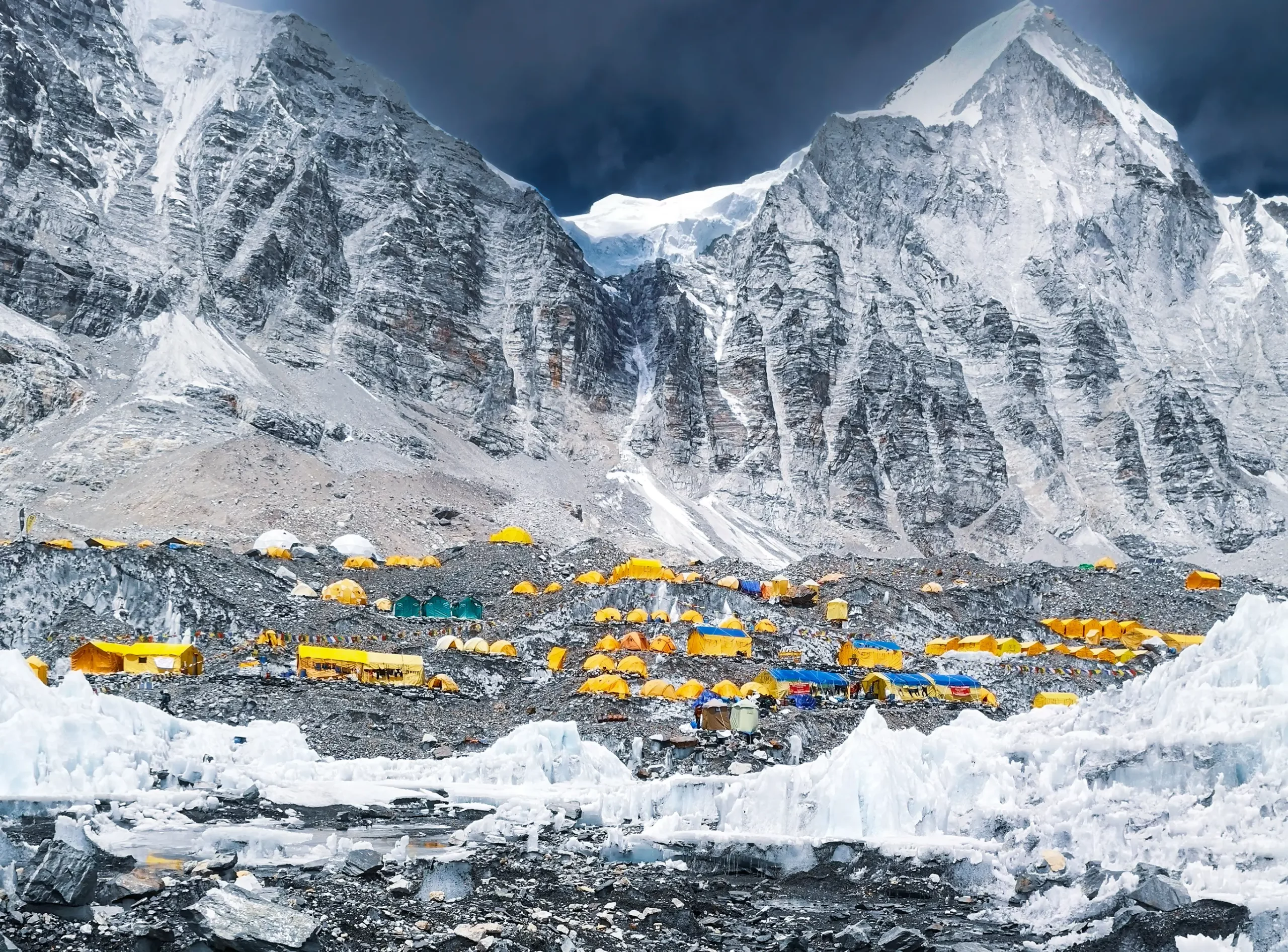
The 2026 climbing season on Mount Everest has officially begun on the Nepalese side, marked by the annual deployment of the Icefall Doctors team to Everest Base Camp – but the highest mountain in the world remains effectively off-limits from Tibet this spring.
Sherpas selected for the Icefall Doctors made their way from Namche Bazaar toward Everest Base Camp this week, signalling the start of route preparation in the Khumbu Icefall ahead of the busy spring season. The team will complete training at the camp between March 5 and 10, hold a traditional puja ceremony around March 16, and then begin setting ladders and ropes through the notoriously treacherous icefall toward Camp I for upcoming expeditions.
Tibetan side closed, Nepal’s season underway
According to announcements from expedition operators and media reports, the Tibetan (North) side of Everest will be closed to climbers this season, forcing some foreign teams originally scheduled for the North Col route to shift their plans to the Nepalese South Col.
One operator, 14 Peaks Expedition, confirmed on social media that it has cancelled its North Side 2026 plans and redirected efforts to the Nepal side.
This closure, though not officially confirmed by the China Tibet Mountaineering Association (CTMA), follows a pattern seen in recent years; the North Side has been unavailable to foreign expeditions multiple times in the past decade, including during the COVID-19 pandemic.
Environmental and logistical tasks ahead
In Nepal, climbers have yet to arrive at Base Camp, but local crews are already busy moving supplies and preparing for early season work. The Icefall Doctors – the Sherpas responsible for establishing and maintaining the route through the Khumbu Icefall – will be based at the Sagarmatha Pollution Control Committee (SPCC) office at Base Camp for the next three months.
Among their duties will be the stricter enforcement of waste management measures introduced in recent seasons, including mandatory poop bag usage and removal of fixed ropes and debris left on the mountain.
Authorities have stressed their intent to reduce the environmental impact of expeditions and improve the long-term sustainability of Everest as climbing traffic increases.
Travel and weather context
With spring underway, many climbers bound for Nepal are also monitoring external factors that could affect their travel, such as ongoing conflicts in the Middle East, which have at times disrupted flights in and out of the region.
While the primary Everest season officially runs through March to May, some climbers arrive earlier to acclimatize on lower peaks or trek before focusing on Everest’s icefall and higher camps.

Share this post:



Comments