
When the Rescue Is the Scam: Nepal’s Fake Helicopter Rescues
High in the Himalaya, where altitude sickness can become life-threatening within hours and storms can close mountain passes in minutes, helicopter rescues are often the difference between life and death.
For trekkers and climbers traveling in Nepal, evacuation insurance is considered essential. Remote trails, high elevations, and the absence of road access mean that helicopters are often the only realistic way to reach advanced medical care.
But in recent years, a troubling question has begun circulating through the mountaineering world:
What if some of those rescues were never needed at all?
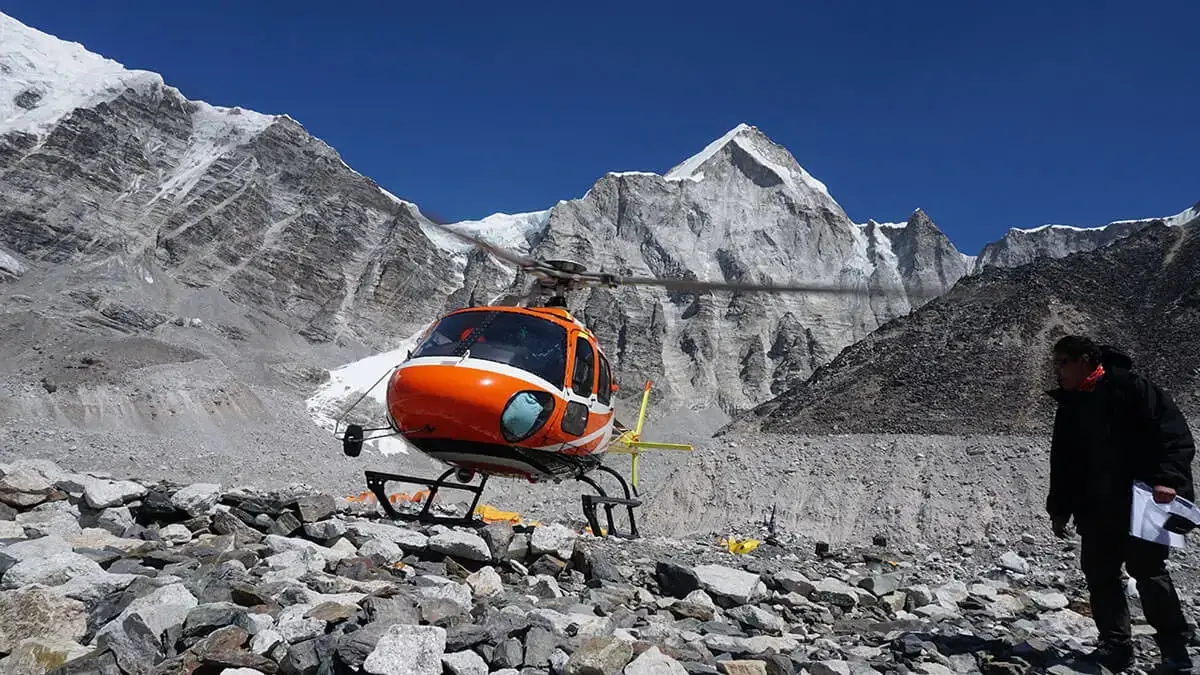
Photo: mountainmonarch.com
A growing scandal known as the “fake rescue scam” has revealed a darker side of Himalayan tourism – a system in which unnecessary helicopter evacuations are allegedly staged in order to collect large insurance payouts.
Recent arrests by Nepalese authorities suggest the problem may be deeper and more organized than previously understood.
A New Arrest Revives an Old Scandal
The issue returned to the spotlight this week after Nepal Police arrested another trekking operator allegedly linked to a fake rescue scheme in the Everest region, according to local media reports.
The arrest is part of an expanding investigation led by Nepal’s Central Investigation Bureau (CIB) into a network of trekking agencies, helicopter operators, and medical providers suspected of coordinating fraudulent rescue claims.
Earlier this year, authorities detained six tourism executives connected to several rescue companies, accusing them of organizing staged evacuations and submitting false insurance claims. Investigators believe the scheme may have generated nearly $20 million in fraudulent insurance payments between 2022 and 2025.
According to police documents cited by Nepali media, more than 300 helicopter evacuations are now considered suspicious and are under investigation. The alleged fraud involves falsified flight manifests, inflated medical diagnoses, and manipulated hospital billing documents.
For Nepal, where mountain tourism is one of the country’s most important international industries, the investigation has raised serious concerns about the integrity of the rescue system.
How the Fake Rescue Scheme Works
To understand the scandal, it is important to understand how legitimate Himalayan rescues normally operate.
In remote mountain regions such as Everest, Annapurna, and Langtang, helicopter evacuation is often the only way to transport an injured or severely ill trekker to a hospital in Kathmandu.
Acute mountain sickness, altitude-related pulmonary or cerebral edema, severe injuries, or exhaustion can all require rapid evacuation. These rescues are expensive. A single helicopter evacuation can cost between $4,000 and $10,000 or more, depending on distance and altitude. Most international trekkers carry travel insurance that covers these emergencies.
According to investigators and insurance companies, the fake rescue scheme exploited this system. The alleged pattern often followed several steps:
- A trekker reports mild symptoms such as headache, fatigue, or stomach problems.
- A guide or trekking operator warns that the condition could become severe altitude sickness.
- A helicopter evacuation is recommended – sometimes strongly encouraged.
- The tourist is flown to Kathmandu and admitted to a medical facility.
- Insurance companies are billed for rescue, treatment, and hospital care.
In some cases, investigators say helicopters carried multiple passengers while billing separate insurers for each evacuation. Authorities also claim that medical documentation and passenger records were sometimes falsified to justify the emergency flights.
While not every helicopter evacuation is fraudulent – many rescues in the Himalaya are legitimate and lifesaving – investigators believe the system was manipulated by a small number of operators seeking profit from insurance claims.
The Origins of the Fake Rescue Problem
The fake rescue phenomenon first drew international attention around 2018, when insurers and trekking associations began raising concerns about a sudden surge in helicopter evacuations from popular trekking routes. The most frequently reported locations included: Everest Base Camp route, Annapurna Circuit, Langtang Valley.
Investigations by insurance companies suggested that some trekking agencies were encouraging unnecessary rescues in cooperation with helicopter operators and medical facilities. Following these revelations, Nepal’s government introduced reforms aimed at tightening the rescue system. These measures included:
- removing intermediaries from helicopter rescue coordination
- requiring clearer medical documentation for evacuations
- making trekking agencies more accountable for rescue decisions
Despite these reforms, recent investigations suggest that the practice may have continued in different forms. Seven years after the first scandal surfaced, authorities now believe the current investigation may involve a coordinated fraud network operating inside the tourism sector.
Why the Scam Was Possible
Several structural factors made the Himalayan rescue system vulnerable to abuse.
Insurance coverage
Because most trekkers rely on travel insurance, the cost of a rescue is rarely paid directly by the tourist. This creates a situation where expensive evacuations may occur without immediate financial scrutiny.
Information imbalance
Trekkers often lack medical expertise and must rely on guides to assess altitude sickness. If a guide warns that a condition may become dangerous, many visitors understandably choose evacuation rather than risk worsening illness.
High financial incentives
Helicopter evacuations generate far greater revenue than standard trekking services. A single flight billed to insurers can produce thousands of dollars in payments.
Difficult oversight
Many evacuations occur in remote mountain regions where authorities cannot easily verify whether a rescue was medically necessary. Documentation is often reviewed only after the evacuation has already taken place.
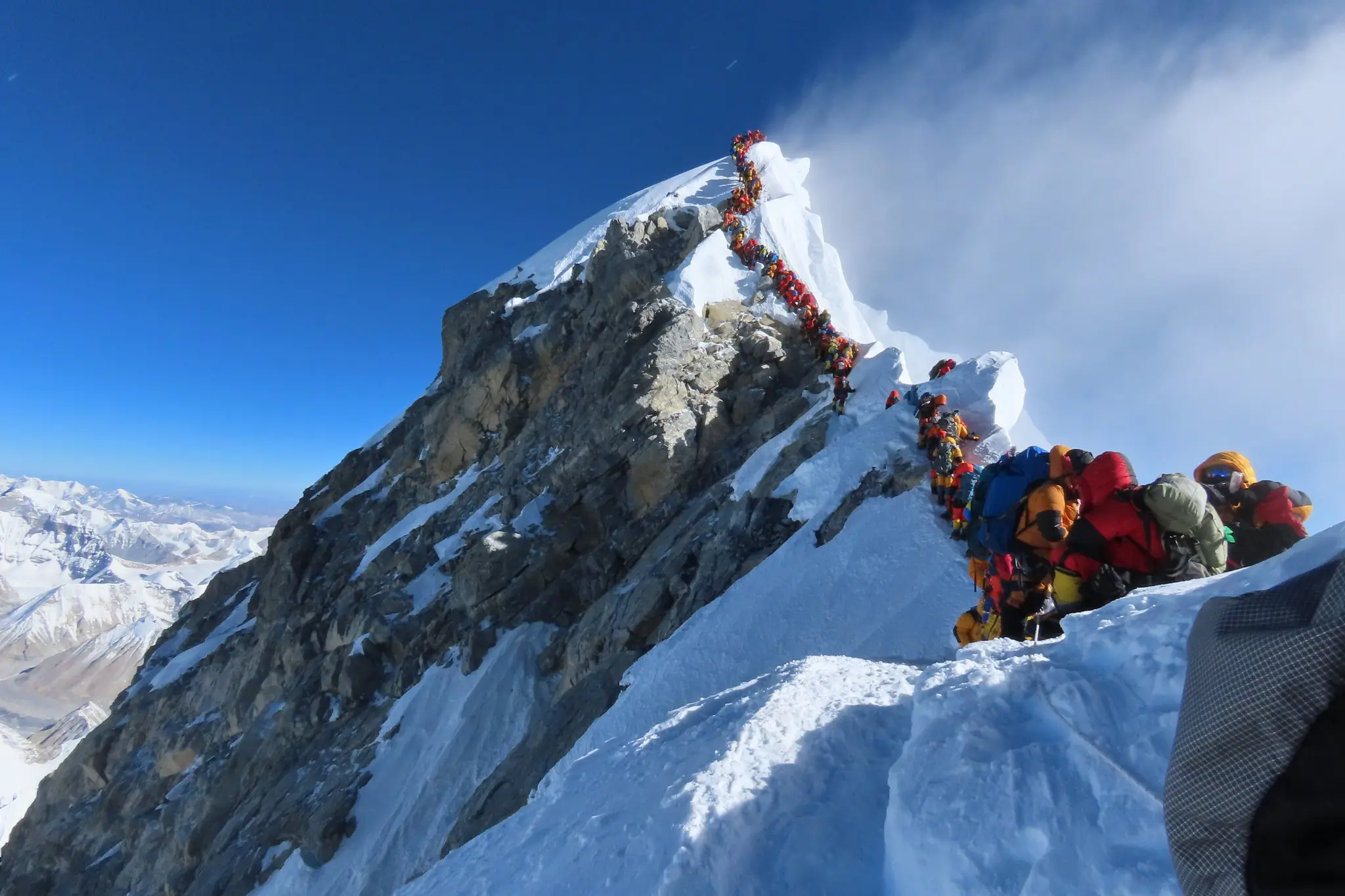
The Risk to Himalayan Tourism
The consequences of fake rescue scams extend far beyond insurance fraud. International insurers have repeatedly warned that widespread abuse could lead to higher premiums or stricter coverage rules for rescues in Nepal.
If insurance companies lose confidence in the system, legitimate rescues could become more difficult to obtain. In a region where helicopter evacuations are often the only way to save critically ill climbers or trekkers, such changes could have serious safety implications.
The scandal also threatens Nepal’s reputation as one of the world’s leading adventure tourism destinations. Each year, tens of thousands of trekkers travel to Nepal to explore the Himalaya’s iconic routes and peaks. Maintaining trust in the safety systems that support this tourism is essential for the country’s economy and its global reputation.
A Growing Crackdown
Nepalese authorities now appear to be treating fake rescue cases as serious financial crimes rather than simple tourism violations. The ongoing investigation involves possible charges including: insurance fraud, organized financial crime, document falsification and money laundering.
Police say additional arrests may follow as investigators continue reviewing rescue flight records, hospital documentation, and insurance claims.
Whether the crackdown will permanently eliminate the practice remains uncertain.
But officials say restoring credibility to Nepal’s rescue system has become a priority.
The Paradox of Rescue in the Himalaya
In the mountains, the sound of helicopter blades usually signals relief. For injured climbers or trekkers suffering from altitude sickness, it can mean survival.
But the recent investigation has revealed an uncomfortable truth: in some cases, the rescue itself may have been the business model.
For Nepal, the challenge now is not only prosecuting those responsible for the alleged fraud.
It is rebuilding trust in a system where helicopter rescues exist for one purpose alone – saving lives in the world’s highest mountains.

Share this post:



Comments