
Hidden Scams in Nepal: What First-Time Tourists Should Know
For many travelers, Nepal is the beginning of a dream: the gateway to the Himalaya, the temples of Kathmandu, the trekking routes of Everest and Annapurna. But for first-time visitors, the first lesson of Nepal often comes not from the mountains, but from the streets of its tourist districts.
Walk through Thamel in Kathmandu or Lakeside in Pokhara and the atmosphere is electric: trekking shops, cafés, souvenir stalls, travel agencies, guides offering expeditions into the mountains. Yet behind this energy lies a reality that experienced travelers quickly learn – tourists are often approached, persuaded, and sometimes deceived in ways they did not expect.
This does not mean Nepal is unsafe. Millions of visitors travel through the country every year without serious problems. But the combination of tourism, poverty, and opportunity has created a landscape where scams targeting foreigners have quietly become part of everyday life.
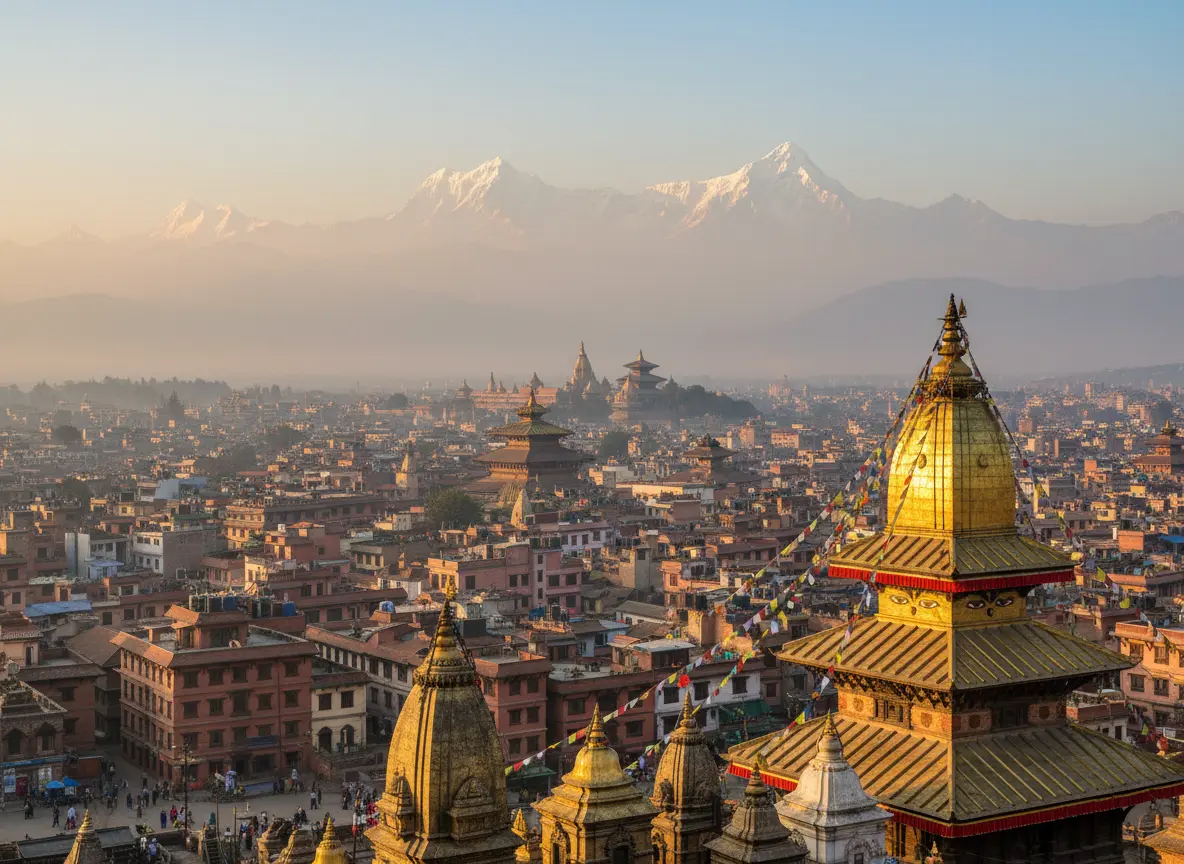
Photo: Mahendra
The “Friendly Local” Approach
One of the most common experiences reported by visitors begins with a friendly conversation. A stranger approaches you on the street – often in Thamel – asking where you are from or offering advice about trekking routes, temples, or restaurants.
At first the interaction feels harmless. But soon the conversation turns into an invitation:
“Let me show you a real Nepali art school.”
“My friend owns a trekking company with the best price.”
“Come see authentic handicrafts – no pressure to buy.”
What many tourists discover later is that these encounters often lead to shops where the person receives a commission on anything you purchase. Some travelers report being taken to stores selling thangka paintings, pashmina shawls, or gemstones at prices far above their real value.
Even travelers on Reddit describe the pattern clearly: the conversation begins friendly but eventually leads to a shop or a tour offer.
Trekking Scams in the Gateway to the Himalaya
Trekking is Nepal’s most famous attraction, but it is also one of the areas where tourists must be careful.
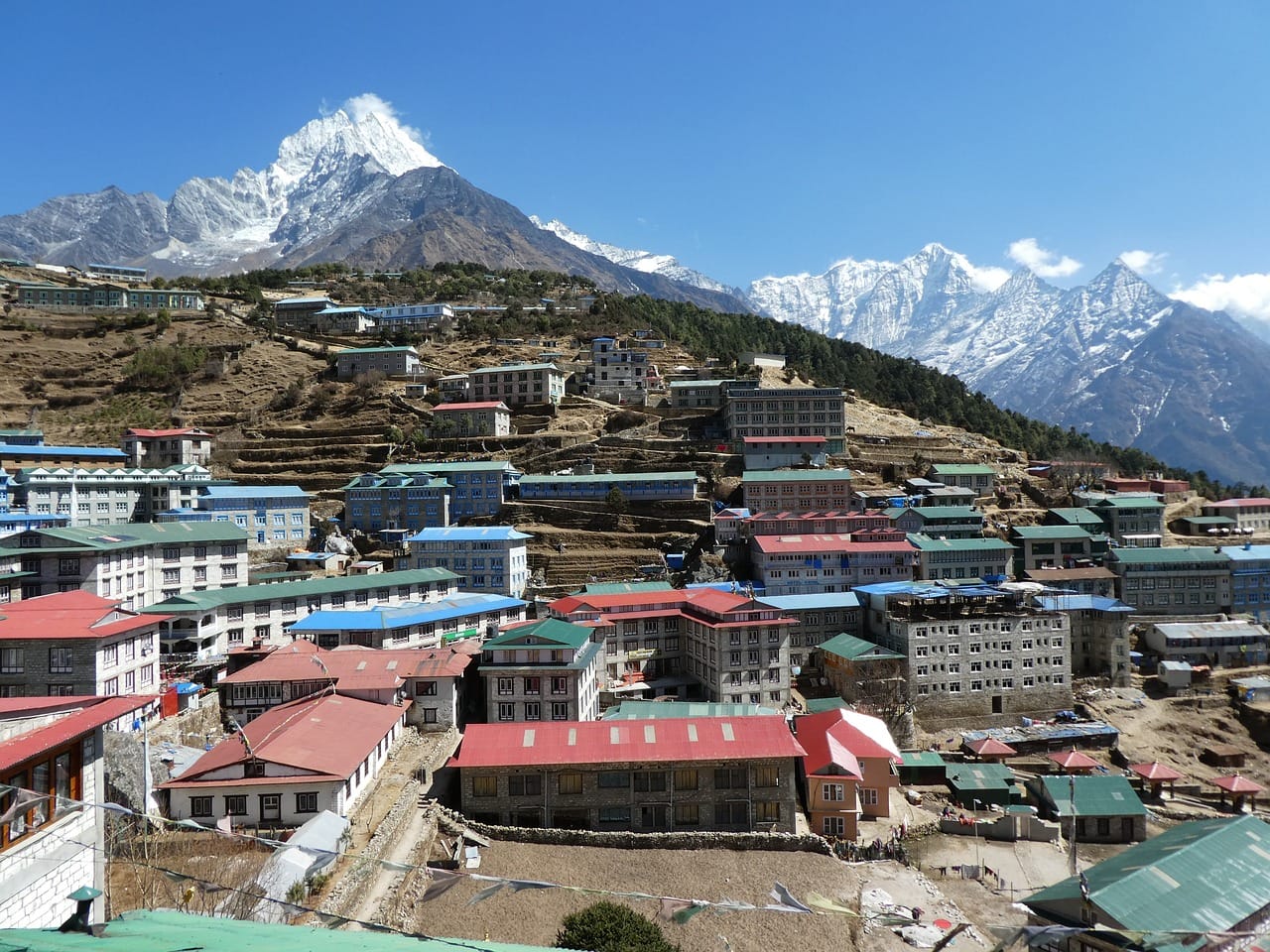
Some visitors are approached by guides who claim to offer cheap treks to places like Everest Base Camp or the Annapurna region. In some cases these guides turn out to be unlicensed operators, sometimes providing fake permits or demanding extra payments once the trek has already begun.
Other schemes involve convincing tourists that they need additional permits or special documentation that does not actually exist.
More controversially, some trekking operators have even been linked to offers where trekkers are encouraged to fake altitude sickness so a helicopter evacuation can be billed to insurance – a scheme that has drawn international scrutiny in recent years.
For inexperienced travelers eager to reach the mountains quickly, these offers can be difficult to evaluate.
The Price You Didn’t Expect
Another common surprise for visitors is pricing. In busy tourist areas, prices can change dramatically depending on who is asking.
Taxi drivers, for example, may refuse to use their meter and instead quote a flat rate – sometimes several times higher than the normal fare, especially for airport rides or short trips to Thamel.
Street vendors selling souvenirs or handicrafts may also start with prices far above the real value of the product, expecting tourists to negotiate.
For travelers unfamiliar with local costs, it is easy to pay far more than necessary.
Charity, Blessings, and Emotional Appeals
Some scams rely not on aggressive sales but on sympathy.
Travelers in Nepal sometimes encounter beggars asking them to buy milk for a baby or food for a child. In some cases, shops and beggars work together: the tourist buys the item at an inflated price, and after the visitor leaves the beggar returns it to the shop for cash.
At temples or busy tourist sites, visitors may also meet individuals offering blessings, fortune telling, or photos with holy men – only to request payment afterward.
These encounters often feel uncomfortable because they mix genuine cultural traditions with opportunistic behavior.
Nightlife and the Risk of Manipulation
The darker side of Nepal’s tourism sometimes appears after sunset, particularly in nightlife districts.
Investigations and traveler reports describe situations where tourists are invited into bars or clubs by friendly hosts or companions. Once inside, drinks and services suddenly become extremely expensive, and visitors may face pressure to pay inflated bills.
In extreme cases, travelers have reported intimidation or threats when refusing to pay.
Helicopter evacuations generate far greater revenue than standard trekking services. A single flight billed to insurers can produce thousands of dollars in payments.
Why These Scams Exist
Tourism is a major part of Nepal’s economy, and many people depend on foreign visitors for their livelihood. That economic pressure can sometimes encourage aggressive selling tactics or opportunistic scams.
Online travel communities often point out that while these scams exist, most Nepali people are genuinely welcoming. As one traveler wrote on Reddit, strangers approaching tourists often try to sell something, but the situation rarely becomes dangerous and simply saying “no” usually ends the interaction.
In other words, the challenge for visitors is not fear – it is awareness.
Traveling Smart in Nepal
For first-time travelers, the key to avoiding scams is preparation.
Book trekking tours only through licensed agencies registered with Nepal’s tourism authorities. Verify permits, ask about costs in advance, and avoid paying the full trip price online before meeting the operator.
When taking taxis, agree on the price beforehand or insist on using the meter. When shopping, compare prices in multiple stores before buying.
Most importantly, be cautious when strangers approach you offering tours, guidance, or special deals.
A Destination Worth Visiting – With Open Eyes
Despite these challenges, Nepal remains one of the most extraordinary travel destinations on Earth. Its mountains, culture, and people continue to attract adventurers from around the world.
But like many global tourist hubs, it also has a system of opportunistic scams that thrive in places where visitors are unfamiliar with the rules.
For travelers arriving in Nepal for the first time, the best advice is simple: enjoy the beauty of the Himalaya, but keep your awareness as sharp as the peaks themselves.

Share this post:



Comments