
Annapurna 1950: Triumph at a Terrible Price
In the spring of 1950, a small French expedition set out into the Nepal Himalaya with an ambition that, at the time, bordered on recklessness: to climb an 8,000-meter peak before anyone else in the world. What they would achieve on Annapurna would change mountaineering forever-but it would also expose the hidden cost of victory at extreme altitude.
This was not a story of clean triumph. It was a story of uncertainty, pressure, sacrifice, and consequences that would last a lifetime.
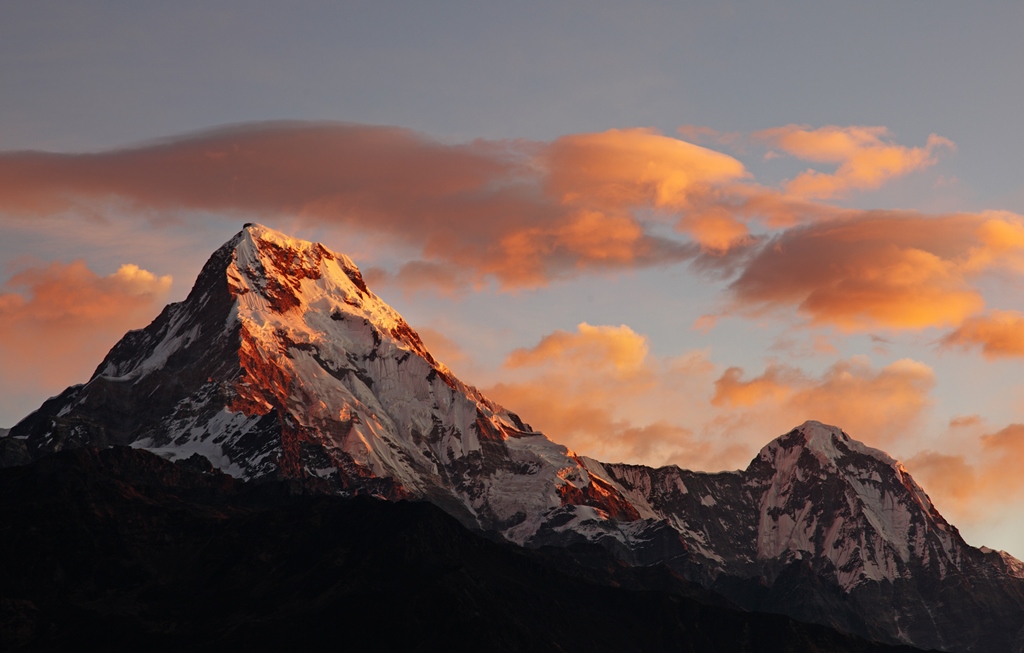
Choosing a Mountain in the Unknown
Nepal had only recently opened its borders, and vast areas of the Himalaya were still unexplored. When the French team arrived, they didn’t even know which mountain they would attempt. Their leader, Maurice Herzog, had one clear directive from the French Alpine Club: be the first to climb an 8,000-meter summit.
The expedition included some of the strongest climbers of the era: Louis Lachenal, widely considered the team’s most gifted alpinist; Lionel Terray, powerful, pragmatic, and relentlessly tough; Gaston Rébuffat, already known for his elegance on rock and ice; and filmmaker Marcel Ichac, tasked with documenting the attempt.
Their first objective was Dhaulagiri, then believed to be the seventh-highest mountain in the world. Weeks of reconnaissance revealed impassable terrain and constant avalanche danger. Time was slipping away. The monsoon loomed.
Under pressure, the team made a bold – and almost impulsive – decision: they would abandon Dhaulagiri and turn toward a neighboring massif few Europeans had even seen clearly. That mountain was Annapurna.
They knew almost nothing about it. No maps. No established routes. No history of attempts. But it was high enough – and it was there.
Finding a Way Where No Way Existed
Reaching Annapurna meant weeks of exploration through jungle valleys, unstable moraines, and uncharted glaciers. Every day was an act of discovery. Camps were established, abandoned, then rebuilt as the team searched for a viable line through the mountain’s vast north face.
Unlike later Himalayan expeditions, there were no fixed ropes up the mountain, no high-altitude porters beyond the lower camps, and no oxygen. Decisions were made on instinct and necessity.
Eventually, a possible route emerged-steep, exposed, and avalanche-prone. It was far from ideal, but there was no alternative. With the season closing, Herzog committed the team to the line.
From that moment on, retreat was no longer a realistic option.
The Summit Push
As the expedition climbed higher, it became clear that only two men were strong enough for a final attempt: Herzog and Lachenal. On June 3, 1950, they left the highest camp and began the final ascent.
They were entering territory no human had ever occupied. Above 8,000 meters, the effects of altitude were poorly understood. Frostbite was common; survival itself was uncertain.
High on the mountain, Lachenal sensed real danger. His feet were going numb. As an experienced climber, he understood exactly what that meant. He later admitted that he wanted to turn back-that no summit was worth losing his feet.
Herzog, carrying the weight of leadership, national expectation, and history, pressed on.
In the final meters, the two men reached the summit ridge. Herzog’s goggles had frozen opaque. To take photographs, he removed his gloves-exposing bare skin to extreme cold at over 8,000 meters.
Within minutes, the damage was done.
They had reached the summit of Annapurna- the first 8,000-meter peak ever climbed. But the mountain had already exacted its price.
The Descent That Turned Victory Into Survival
Almost immediately after turning back, both climbers deteriorated rapidly. Lachenal could no longer feel his feet. Herzog’s hands were frozen solid. Their descent became slow, dangerous, and confused.
At this point, the expedition might have ended in death if not for Lionel Terray.
Terray climbed back up into the death zone to assist them – an extraordinary act of loyalty and courage. He supported Herzog and Lachenal step by step down the mountain, often risking his own life on unstable slopes and exposed traverses.
Eventually, they reached lower camps. They were alive- but permanently changed.
The Aftermath No One Wanted to Talk About
The full consequences of the ascent became clear only after evacuation and medical treatment.
- Herzog lost all ten fingers and all ten toes
- Lachenal lost most of his toes
- Several team members suffered severe frostbite and long-term injuries
No one died on Annapurna in 1950. Yet the cost of survival was devastating.
Back in France, Herzog was celebrated as a national hero. His book, Annapurna, became an international bestseller and helped define the heroic image of Himalayan conquest.
But the story it told was incomplete.
Years later, Lachenal’s personal diaries surfaced, revealing hesitation, fear, and deep inner conflict- especially about the summit decision. The ascent, once portrayed as a unified act of will, appeared far more complex and morally ambiguous.
Why Annapurna 1950 Still Resonates
The 1950 ascent of Annapurna marked the beginning of the 8,000-meter era. It proved that humans could survive at extreme altitude and opened the door to Everest, K2, and beyond.
But it also forced mountaineering to confront a harder question:
How much is a summit worth?
Annapurna was climbed. History was made.
But the mountain demanded payment-not in lives, but in bodies, limbs, and years of suffering
That is why Annapurna 1950 remains one of the most powerful stories in mountaineering history: not because it was the first, but because it showed-so early on-that the highest achievements often carry the heaviest costs.

Share this post:



Comments