
Everest 1963: The West Ridge No One Dares to Repeat
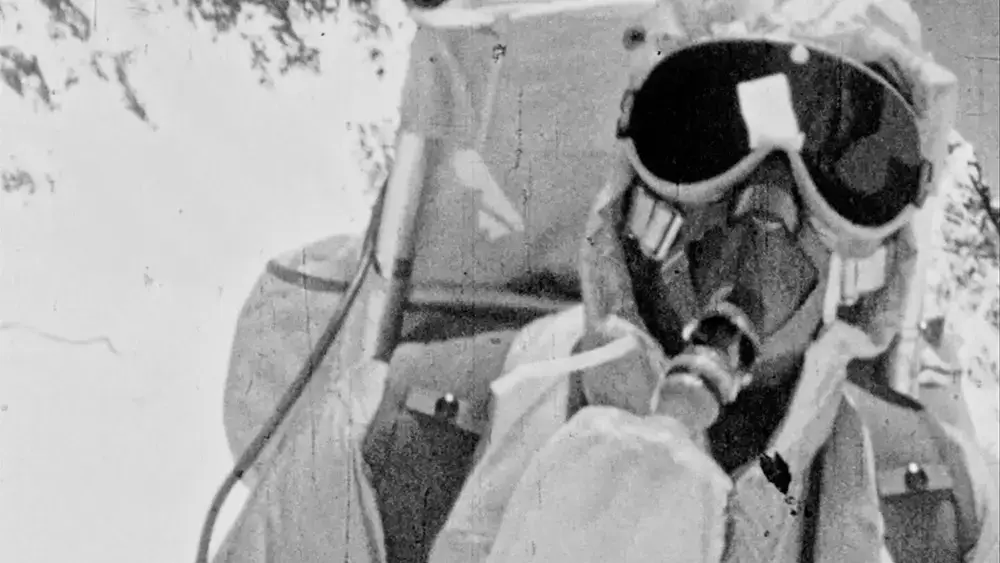
Tom Hornbein during the successful 1963 Everest West Ridge expedition. Photo: American Alpine Club archive
A Line That Looked Impossible
By the early 1960s, Everest had been climbed, repeated, and slowly systematized. Routes were becoming known, camps predictable, and success – while never easy – was beginning to look achievable. But one line still stood apart, both visually and psychologically: the West Ridge.
Seen from Nepal, the West Ridge rose as a jagged, wind-scoured spine of rock and ice, leading directly into Everest’s upper mountain. It was longer, more exposed, and far more complex than the South Col route. Avalanches swept its flanks. Cornices overhung its crest. Retreat, once committed, would be nearly impossible.
Most climbers dismissed it as suicidal.
In 1963, an American expedition decided to try anyway.
An Expedition That Refused the Easy Way
The 1963 American Mount Everest Expedition, led by Norman Dyhrenfurth, was ambitious in scope and unusual in strategy. Rather than focusing on a single line, the team planned a two-pronged assault: one group would attempt the familiar South Col, while another would probe the far more dangerous West Ridge.
Among the climbers assigned to the West Ridge were two very different men.
Tom Hornbein was a physician, thoughtful and methodical, known for his calm decision-making under pressure. Willi Unsoeld, by contrast, was charismatic, philosophical, and deeply motivated by the idea of climbing Everest in a purer, more exploratory style.
Together, they would become inseparable in one of the most dramatic chapters in Everest history.
Up the West Ridge
Progress on the West Ridge was brutally slow. The terrain was complex, combining steep rock, unstable snow, and knife-edge exposure. Camps were difficult to establish and even harder to resupply. The ridge offered no shelter from the jet stream winds that regularly battered the mountain.
While the South Col team advanced steadily, the West Ridge climbers fought for every meter. Several times, the route appeared to end in blank walls or impassable sections. Each obstacle required improvisation and commitment, knowing that retreat would be just as dangerous as continuing.
Eventually, the ridge led them onto Everest’s upper slopes – but not toward the familiar summit pyramid. Instead, it forced a traverse into unknown terrain.
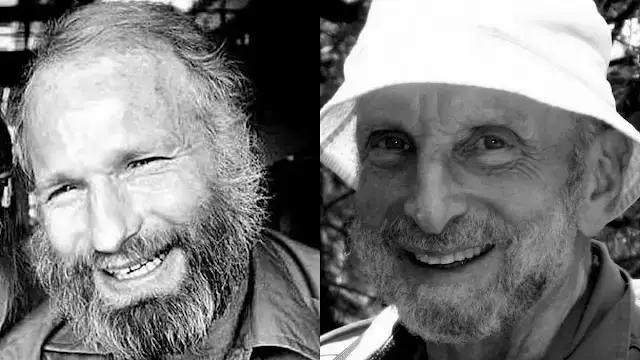
Willi Unsoeld and Tom Horbein made history by ascending the West Ridge of Everest and descending by the South Col route
The Summit – and an Unplanned Decision
On May 22, 1963, Hornbein and Unsoeld stood on the summit of Everest. They were exhausted, oxygen-deprived, and painfully aware that the hardest part of their climb still lay ahead.
Their original plan had been to descend the West Ridge – the only logical choice, given the risks of traversing unfamiliar terrain. But as clouds began to build and daylight faded, they realized the truth: descending the West Ridge was no longer possible.
Below them lay a steep, shadowed couloir dropping toward the Kangshung Face – completely unscouted, unclimbed, and terrifying.
It was a choice between the unknown and the impossible.
They chose the unknown.
The Descent Through the Hornbein Couloir
The couloir they entered would later be named the Hornbein Couloir, a narrow, steep gully plunging from near the summit toward the Western Cwm. At the time, it had never been descended. No one knew if it would go through – or end in cliffs.
Night fell.
Without adequate light, with oxygen running low, Hornbein and Unsoeld downclimbed blindly, step by step, into darkness. They were forced to bivouac high on the mountain, near 8,500 meters, with almost no protection from the cold.
Survival at that altitude without proper shelter was considered nearly impossible.
Hallucinations set in. Movement slowed to instinct. Every decision became a negotiation with exhaustion and fear.
At one point, Unsoeld collapsed. Hornbein believed he was dying. Somehow, he did not.
When daylight returned, they continued downward – still unsure whether the couloir would lead them to safety or trap them forever.
Eventually, it did what few expected: it connected with known terrain.
They had survived.
Why No One Repeats the West Ridge
The West Ridge of Everest remains one of the least-climbed major routes on the mountain -not because it lacks historical importance, but because it offers no margin for error.
It demands:
- Long commitment with limited retreat options
- Technical climbing at extreme altitude
- Constant exposure to wind and avalanche
- A descent that may not match the ascent
Even today, with modern equipment, few teams consider it a realistic objective.
Hornbein and Unsoeld’s climb was not just a summit – it was an act of exploration in its purest form, undertaken at a time when rescue was impossible and mistakes were fatal.
A Different Kind of Everest Story
The 1963 West Ridge ascent does not fit the usual Everest narrative. There was no race, no national rivalry, no single triumphant photograph. Instead, there was uncertainty, improvisation, and a descent that became as legendary as the summit itself.
Hornbein later reflected that the climb taught him a simple truth:
On Everest, the summit is never the end of the story.
For Summit Chronicles, the West Ridge stands as a reminder that the most meaningful ascents are often the ones that refuse the obvious path – and demand everything on the way down.

Share this post:



Comments