
Everest’s Hidden System Is Changing in 2026
Climbing Mount Everest has never been just about reaching the summit.
Long before climbers step onto the ice, they enter a system – one that quietly controls how the mountain is climbed, what is carried up, and what must come back down.
In 2026, that system is tightening.
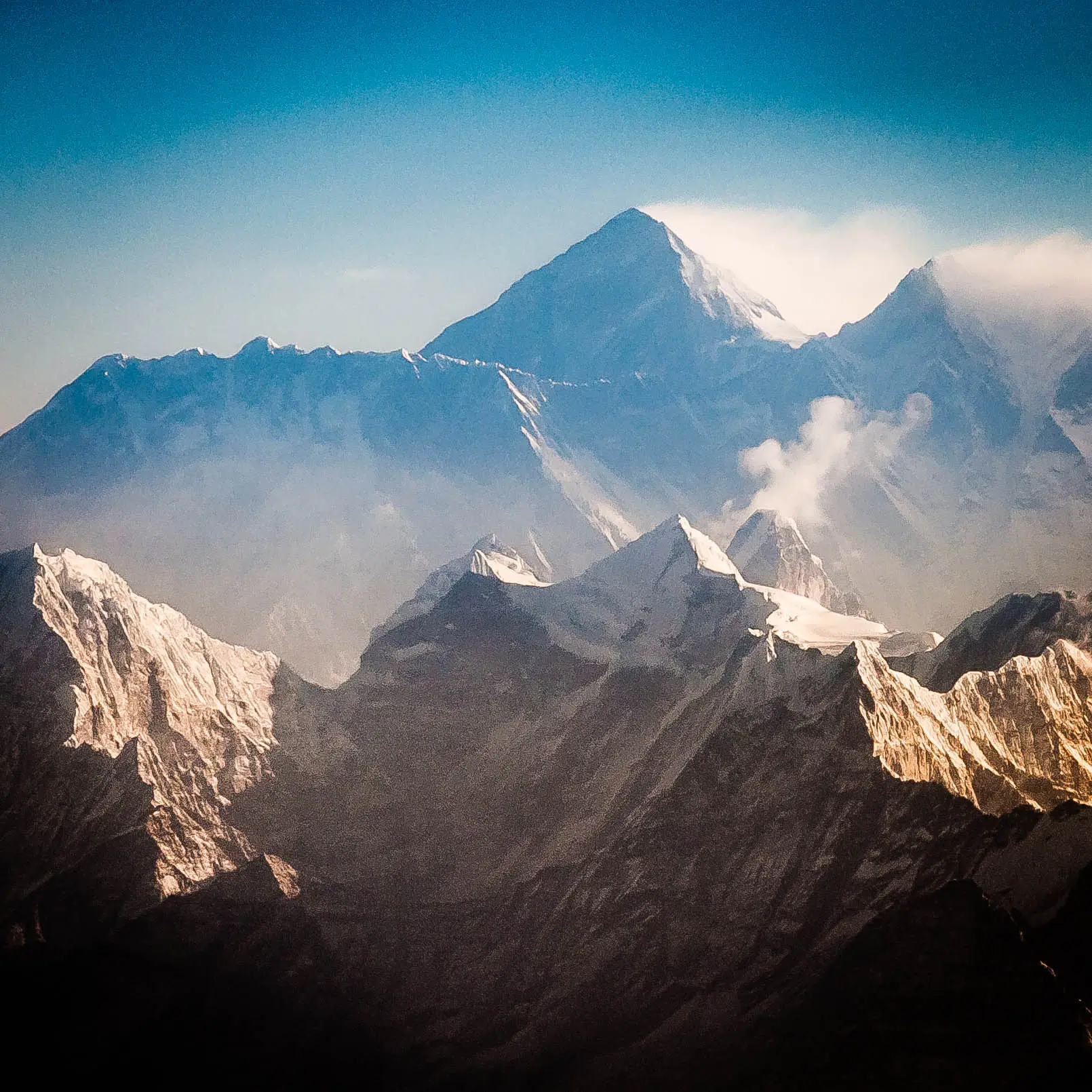
Photo: Wikipedia
A mountain built on rules
Every Everest expedition already operates within a structured framework.
Routes are prepared in advance by specialized teams. Fixed ropes guide climbers through the most dangerous sections, including the Khumbu Icefall, and access to these lines comes with additional fees. This infrastructure is not optional – it is what makes commercial climbing on Everest possible.
But beyond logistics, regulation is becoming increasingly visible.
Waste is no longer optional
One of the most strictly enforced aspects of Everest climbing is now waste management.
Climbers have long been required to bring down at least 8 kilograms of garbage from the mountain – a rule introduced to address decades of pollution on the world’s highest peak.
For 2026, that system is expanding further.
- Climbers must now carry down additional waste from higher camps
- Specific rules dictate how waste is handled and what equipment must be used
- Even human waste is managed through controlled systems
According to mountaineering analyst Alan Arnette, climbers will be required to bring down extra waste from above Camp 2, adding to existing obligations at Base Camp.
The goal is clear: reduce the growing environmental impact of expeditions that leave behind tons of debris each season.
A system under pressure
These changes come as Everest continues to face increasing traffic and scrutiny.
Each year, hundreds of climbers attempt the mountain, putting pressure on both safety systems and the environment. Regulations are evolving in response – but not all proposed rules are fully in place yet.
One widely discussed measure would require climbers to summit a 7,000-meter peak before attempting Everest. However, as of now, that rule has not yet been finalized or enforced for the 2026 season.
Still, its potential introduction signals a shift toward stricter control over who is allowed to climb.
The cost of the route
Even the path to the summit comes with a price.
For 2026, climbers must pay $600 each to cross the Khumbu Icefall – a fee that expedition operators transfer to the Sagarmatha Pollution Control Committee (SPCC), the team responsible for installing and maintaining the route through one of the mountain’s most dangerous sections.
Missing the payment deadline comes with penalties. Operators who fail to submit fees by the end of April face additional charges.
Higher on the mountain, the system continues.
From Camp 2 to the summit, rope fixing is organized by the Expedition Operators Association of Nepal (EOAN), which assigns a company to prepare the route each season. All other teams must then pay for access – typically around $200 per climber.
In 2025, this responsibility was handled by 8K Expeditions, continuing a model where even the final push to the summit depends on shared infrastructure.
A changing landscape in 2026
The north side of the mountain, accessed through Tibet, is closed for the 2026 season, redirecting climbers to the Nepal side and increasing pressure on existing routes.
This concentration of climbers makes regulation even more critical – not just for safety, but for managing the impact on the mountain itself.
More than a climb
Everest has always demanded physical endurance.
But increasingly, it demands something else:
compliance.
From fixed ropes and route fees to waste quotas and reporting systems, climbers are navigating a structure designed to control risk, limit damage, and manage growing numbers on the mountain.
In 2026, that structure is becoming more visible – and more strict.
The reality behind the summit
For many, Everest still represents freedom, ambition, and the ultimate goal.
But behind every summit photo lies a system that shapes the entire experience.
One that determines:
- how climbers move
- what they carry
- and what they leave behind
Because on Everest, reaching the top is only part of the story.
The rest is governed by rules.

Share this post:



Comments