
How to Start Mountaineering in Europe: Your First Routes in the Julian Alps
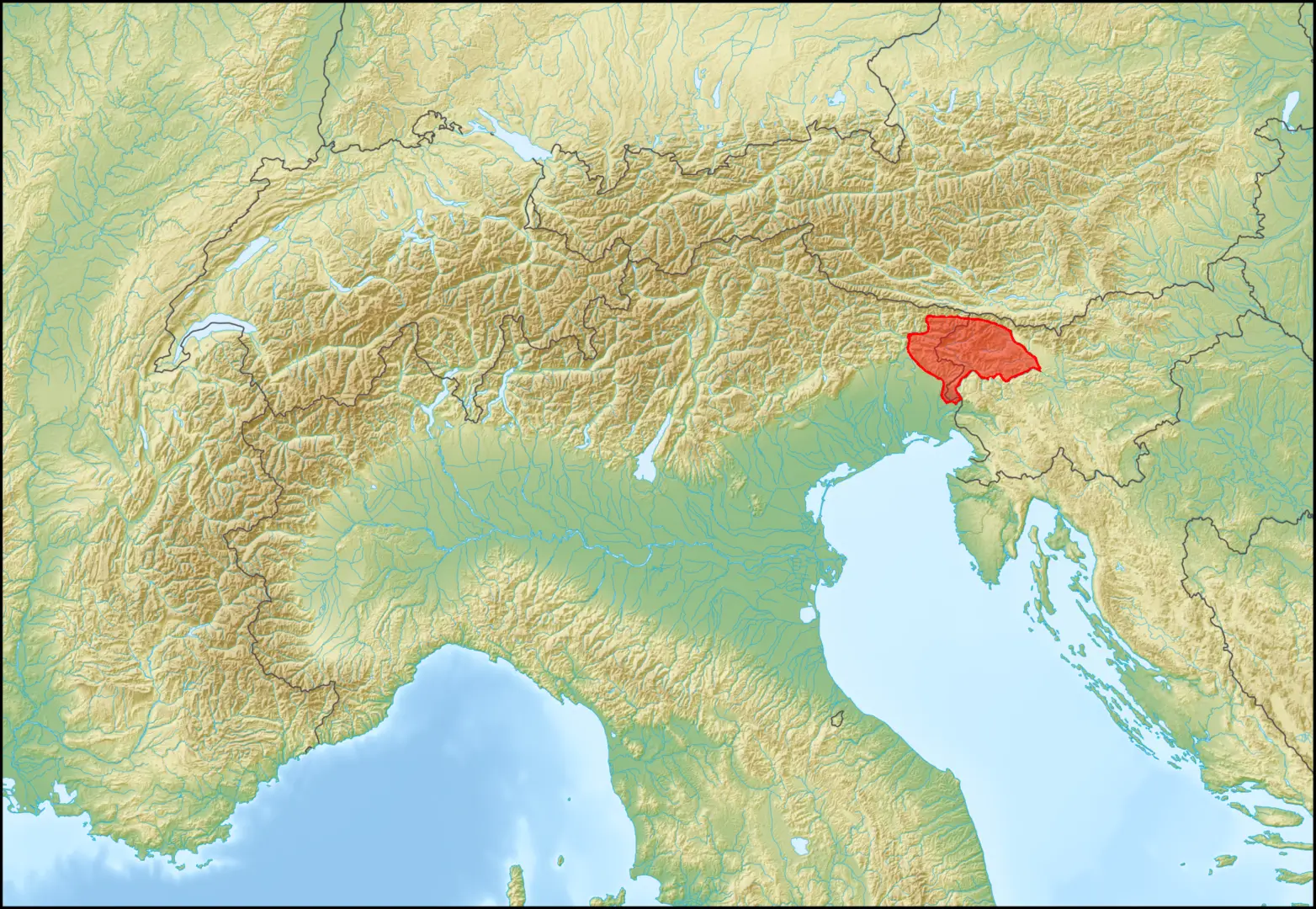
The location of the Julian Alps (red) in the Alps, Photo: Alps location map.png: by Lencer
Regional Overview
The Julian Alps are where alpine mountaineering meets tranquility, tradition, and story-rich landscapes. Spread across Slovenia and northeastern Italy, this limestone range is smaller than the Western Alps, yet feels wilder, greener, and more intimate. Its peaks may not be as high, but its character runs deep – shaped by centuries of mountain culture, shepherd life, wartime history, and an unshakable relationship between nature and people.
At the center lies Triglav National Park, named after Slovenia’s highest peak, Mount Triglav (2,864 m). For Slovenians, Triglav is more than a mountain – it’s part of national identity. Every citizen is expected to climb it at least once in their lifetime. But aside from Triglav, the range is full of less demanding, beautifully accessible summits like Mala Mojstrovka, Viševnik, Krn, and Mangart Saddle Peak – perfect for beginners transitioning from hiking to true alpine movement.
The Julian Alps are ideal for first-time mountaineers because of their balance: not too high, not too exposed, yet undeniably alpine in feeling. Trails are well-marked, mountain huts are welcoming, access is easy, and scenery is spectacular – from emerald lakes and deep valleys to grassy ridges and rugged limestone walls.
In this third part of our How to Start Mountaineering in Europe series, we explore four beginner-friendly routes that offer a gateway into the mountains – safe, scenic, and soul-stirring.
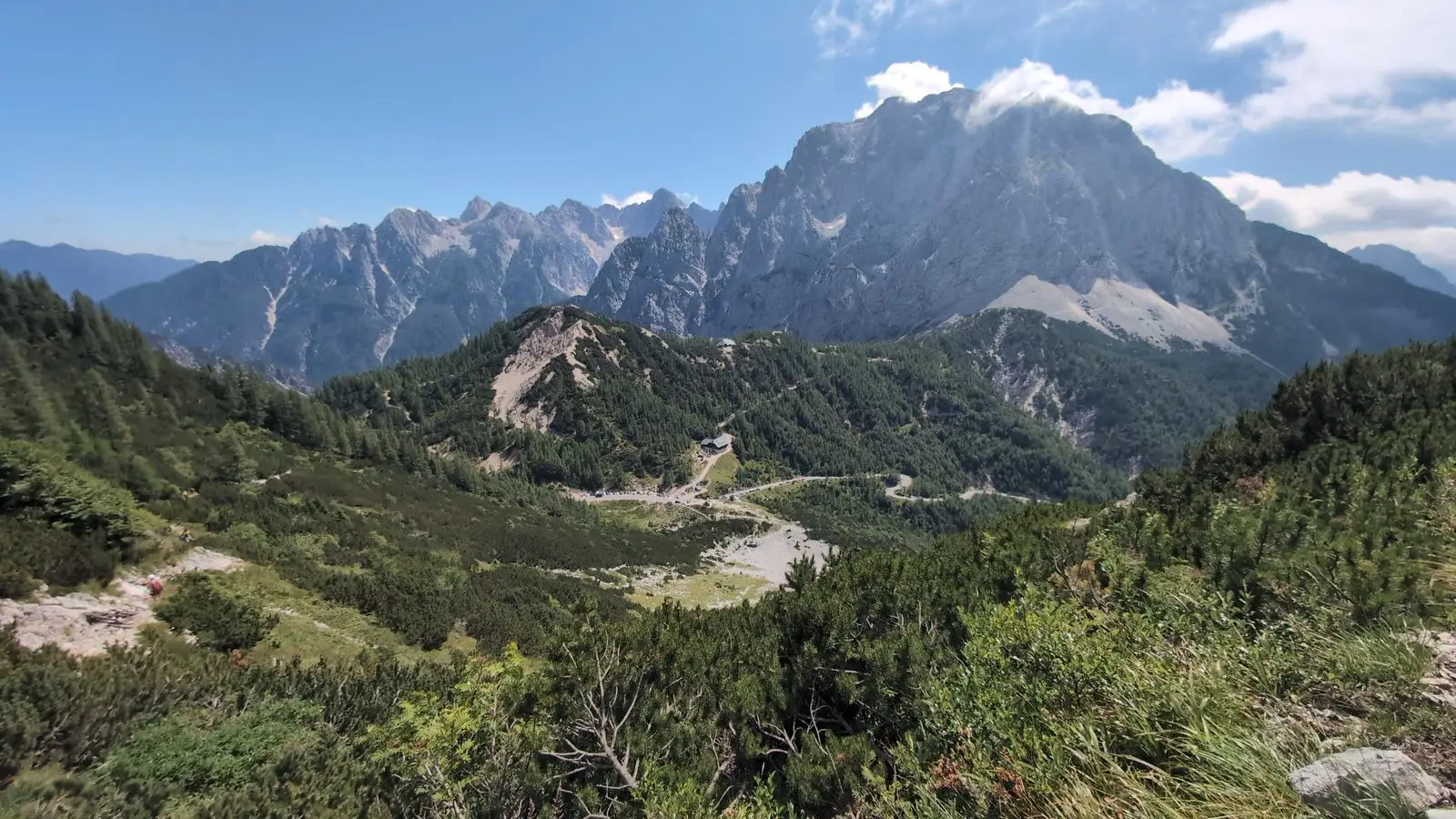
Mala Mojstrovka, Photo: Cut_the_crap
Slovenia – Mala Mojstrovka (2,332 m)
Vršič Pass, Triglav National Park
Overview
Mala Mojstrovka is often called “Slovenia’s alpine classroom,” because it perfectly introduces beginners to the essentials of mountaineering: elevation gain, rocky terrain, scree slopes, and panoramic summit ridges – all without technical difficulty. Rising directly above Vršič Pass, the highest paved mountain road in Slovenia, this peak is easily accessible and rewards climbers with expansive views of the Triglav, Prisojnik, Jalovec, and the Upper Sava Valley.
The path is well-marked and popular, yet never overcrowded. On summer mornings, it’s common to see young hikers, local alpine clubs, and mountain school groups practicing movement on scree and training for bigger climbs. Snow often lingers into early summer, but late-season ascents (July to October) are dry, comfortable, and safe without technical gear.
Access / Base Location
The climb starts from Vršič Pass (1,611 m), reached via the scenic Vršič Road – famous for its 50 tight switchbacks and World War I heritage. You can arrive by car or bus from Kranjska Gora or Trenta Valley. The trail begins directly behind Tičarjev Dom, one of Slovenia’s oldest alpine huts, which offers accommodation, meals, and sunrise views.
Easiest Route
From the hut, follow the marked trail through dwarf pine vegetation and scree to the upper ridge. The path is stable, wide, and gradually gains height – making it accessible even for cautious beginners. The final ridge toward the summit looks intimidating but remains safe, with only minimal exposure. Good hiking shoes and balance are enough.
Best Season & Difficulty
Best Season: Late June to October (snow melts by July)
Difficulty: Easy to Easy-Moderate (T2-T3)
Duration: 2-3 hours round trip
Why It’s Good for Beginners
Mala Mojstrovka introduces all the core elements of mountaineering – scree, moderate altitude, open panoramas, summit exposure – without committing you to glacier travel, ropes, or scrambling. It feels like a real mountain, but still safe, short, and manageable. A perfect first peak in Slovenia.
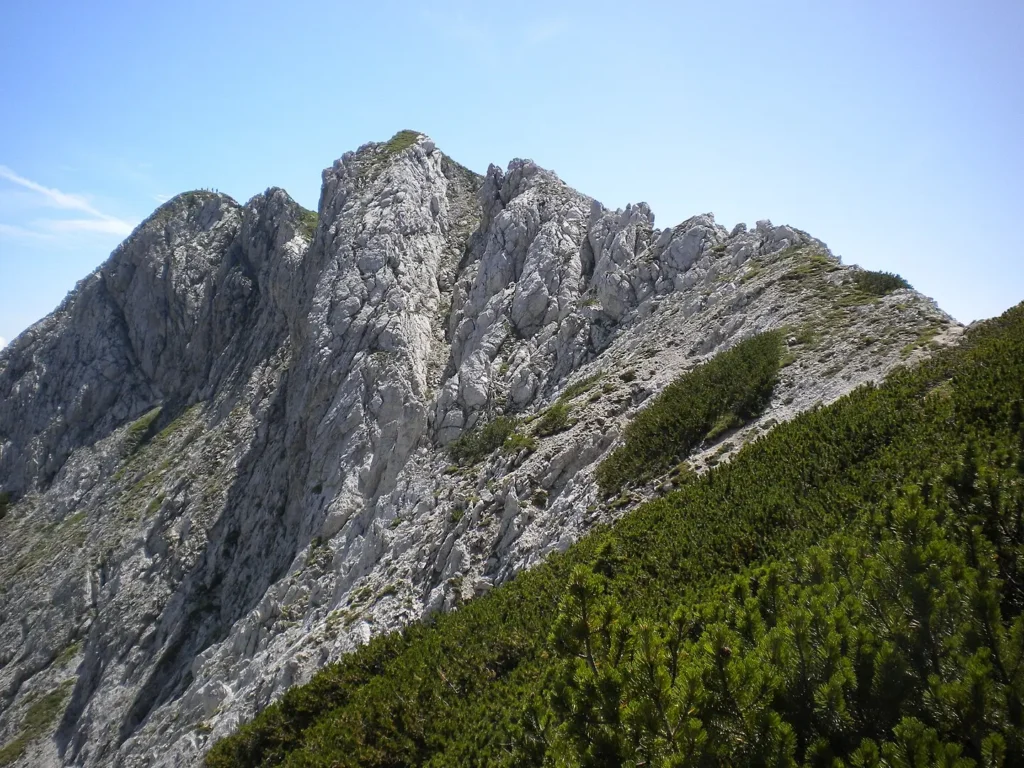
Slovenia – Viševnik (2,050 m)
Pokljuka Plateau, Triglav National Park
Overview
Viševnik is often described as the “most rewarding easy climb in Slovenia.” It’s one of the rare summits over 2,000 meters that can be reached in just two to three hours, making it an ideal first mountain for beginners, families, or anyone testing their endurance at altitude. The ascent is smooth and grassy, with a beautiful ridge line that opens up sweeping views of Mount Triglav and the Bohinj Valley.
This is a mountain of melody – the soft bells of grazing sheep, the breeze through alpine pine, and the silence of Slovenia’s green heart.
Access / Base Location
The trail begins at Pokljuka Plateau, specifically at Rudno Polje (1,347 m) – home to Slovenia’s national biathlon center. The plateau is reachable by car from Lake Bled in 40 minutes, or by seasonal bus. Parking is available at the meadow, with Dom na Pokljuki hut offering overnight stay and meals.
Easiest Route
From Rudno Polje, follow a clearly marked forest path that gradually opens into alpine meadows and low shrubs. The route then transitions into a ridge path leading to the summit – always wide, safe, and well-marked. No scrambling or equipment required.
Best Season & Difficulty
Season: June to October
Difficulty: Easy (T2)
Duration: 3 hours round trip
Why It’s Good for Beginners
Viševnik is one of the best mountains in Slovenia to learn pacing, breath control, and altitude awareness. It has no exposure, no steep slopes, and yet delivers a true mountaineering experience – with a summit that feels like you’ve climbed something meaningful.
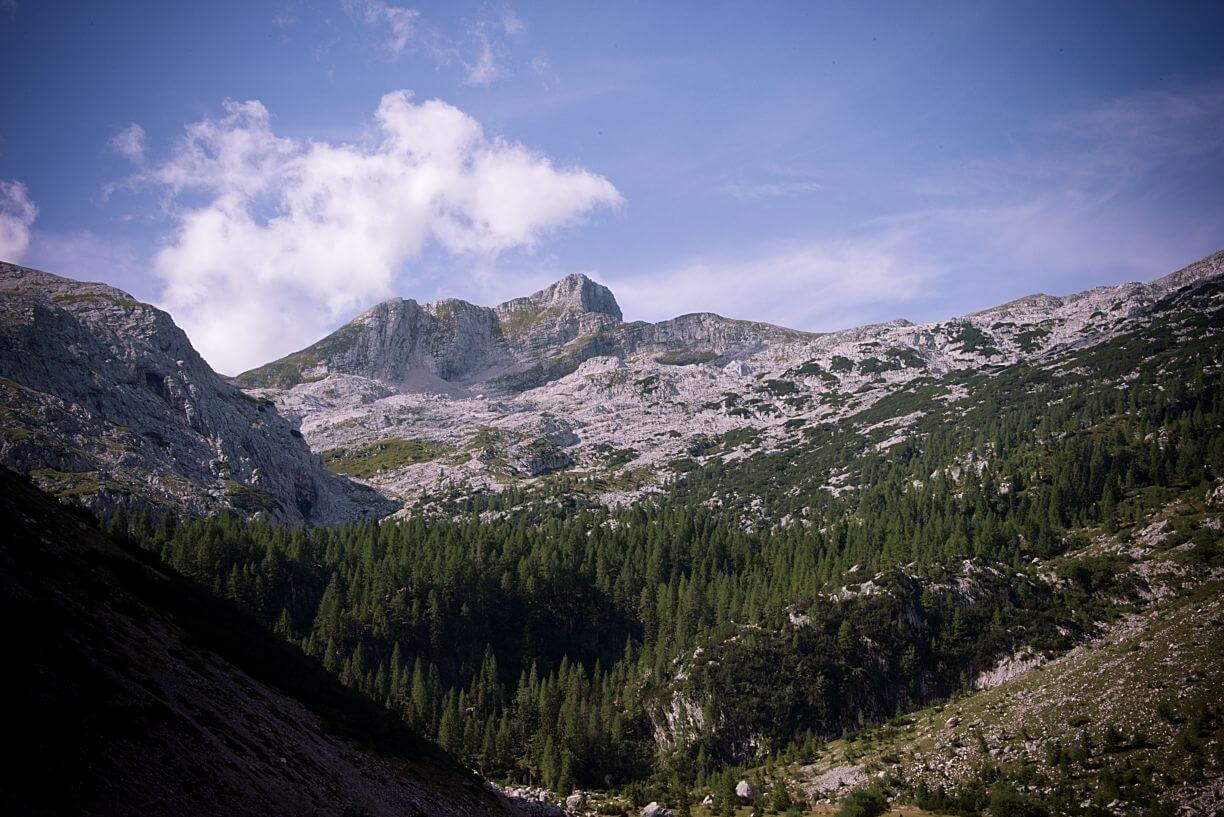
Krn, Photo: Marek Chromý
Slovenia – Krn (2,245 m)
Soča Valley, Western Julian Alps
Overview
Krn is a mountain where nature, culture, and history meet. Its northern face rises dramatically above the turquoise Soča River – one of Europe’s clearest alpine waters. Its southern slopes are softer, covered with alpine meadows, shepherd huts, and remnants of WWI military trails. Climbing Krn means journeying through history – from pastoral life to wartime trenches – before reaching a spacious limestone summit with far-reaching views stretching to the Adriatic Sea on clear days.
Access / Base Location
The most popular trail begins at Planina Kuhinja (1,020 m), above the town of Kobarid. The trailhead is reachable by car via a scenic winding road. A few traditional alpine huts, including Dom dr. Klementa Juga, offer accommodation and serve as rest stops or overnight staging points.
Easiest Route
From the Kuhinja trailhead, the path climbs steadily through pastures toward Planina Krn, eventually transitioning into rocky terrain near the summit. Most of the route is grassy and low angled, with only mild exposure near the top.
Best Season & Difficulty
Season: June to October
Difficulty: Easy–Moderate (T2–T3)
Duration: 5–6 hours round trip
Why It’s Good for Beginners
Krn is perfect for those ready to go beyond short summit walks and try their first full-day mountain journey. It builds endurance, teaches route-finding, and gives emotional reward – history, culture, and summit satisfaction. It’s not just a climb – it’s a story.
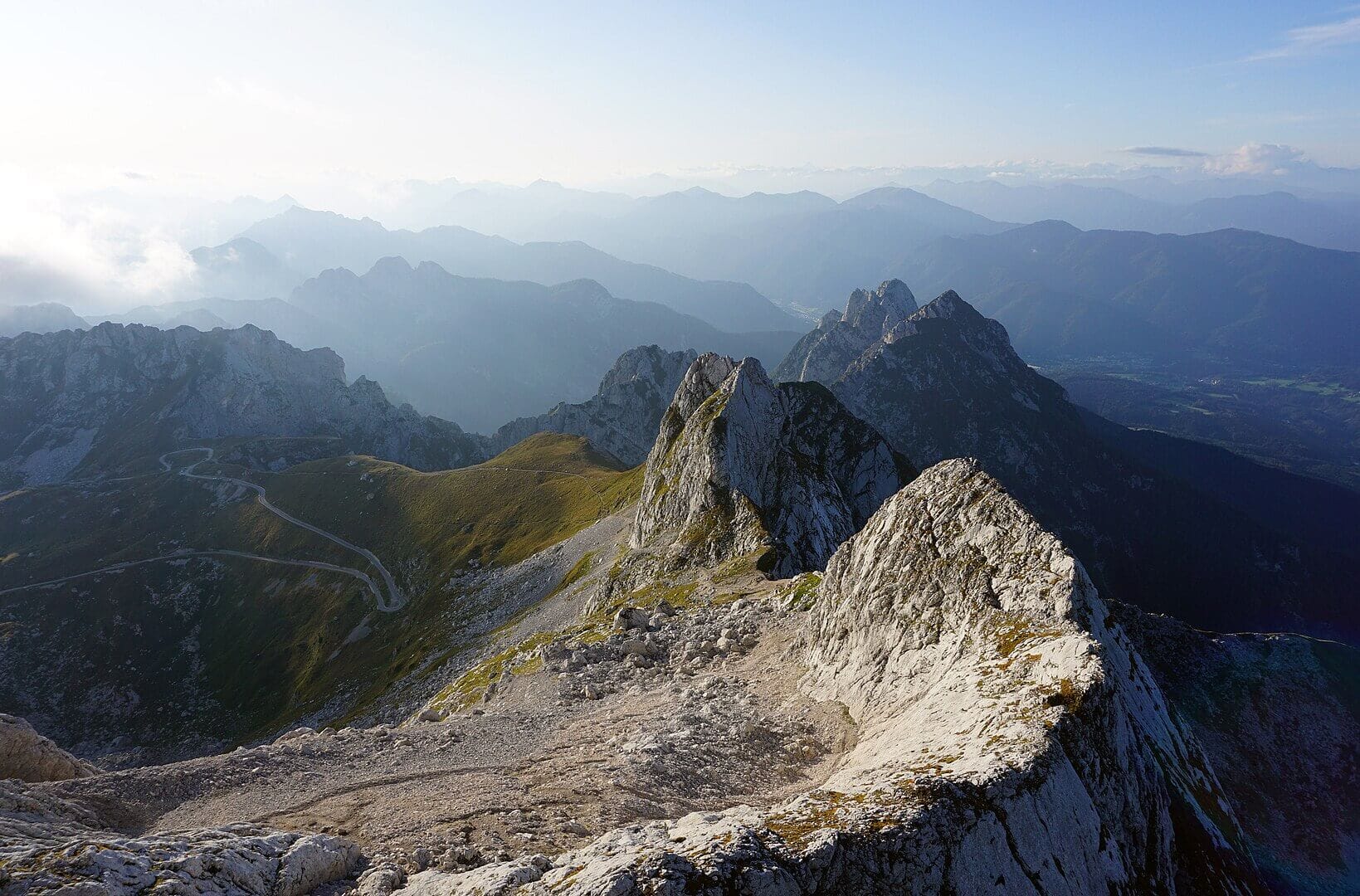
Slovenia – Mangart Saddle Peak (2,679 m)
Bovec Region, Slovenia-Italy Border
Overview
Mangart is one of the most visually striking peaks in the Julian Alps – a massive limestone giant rising above green glacial valleys and plunging cliffs. Yet thanks to Slovenia’s highest alpine road, you can start your climb already at 2,072 m, making it one of the most accessible high-altitude experiences in the Alps. Even without summiting, you get breathtaking views, alpine atmosphere, and a sense of “being high in the mountains.” The Mangart Saddle is incredibly scenic – a grassy balcony surrounded by vertical rock walls, where wildflowers flourish and clouds drift past your knees.
Access / Base Location
From Log pod Mangartom, take the panoramic Mangart Road (toll road) to the Mangart Saddle parking. The small Mangartska Koča hut provides rest, refreshments, and overnight accommodation.
Route Summary (Easiest Route)
The Slovenian Route is the easiest path to the minor summit (2,679 m). It follows a wide, rocky trail with some cable-supported sections, but nothing that requires ferrata or rope systems.
Best Season & Difficulty
- Season: July to October
- Difficulty: Easy-Moderate (T3)
- Duration: 2–3 hours round trip
Why It’s Good for Beginners
Mangart provides a big-mountain feeling with small effort. You’ll touch rugged alpine rock, test your balance on steep paths, feel the effects of altitude, and stand almost 2,700 meters high – all without committing to glacier travel or technical climbing.
Final
The Julian Alps introduce you to the emotional side of mountaineering – the quiet, contemplative beauty of grassy ridges, alpine valleys, and sacred peaks. These routes – Mala Mojstrovka, Viševnik, Krn, and Mangart – don’t just teach mountain movement; they teach patience, awareness, history, and a sense of belonging in nature.
Here, your first summit is not about conquering height – it’s about discovering rhythm, humility, and meaning in the mountains. Start simple, start safely – and let the Julian Alps lead you further into your alpine story.

Share this post:



Comments