
The Most Dangerous Job on Everest Begins Again
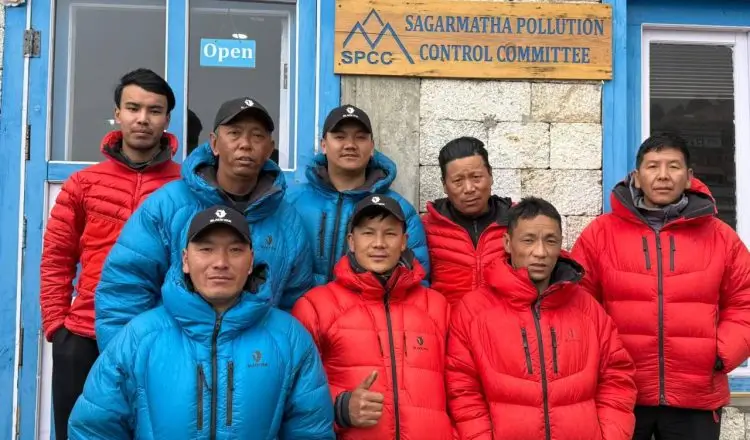
The 2026 Cascade Doctors team, Photo: SPCC
The spring climbing season on Mount Everest has quietly begun – not with climbers heading for the summit, but with the arrival of the legendary Icefall Doctors.
Every year, a small team of highly experienced Sherpas travels to Everest Base Camp weeks before most expeditions arrive. Their task is one of the most dangerous jobs in Himalayan mountaineering: opening the route through the shifting maze of the Khumbu Icefall.
This chaotic glacier sits directly above Base Camp and forms the first major obstacle on the standard south route of Everest. Massive seracs, deep crevasses, and constantly moving ice make it one of the most hazardous sections of the entire climb.
Building the path to Camp II
The Icefall Doctors work for the Sagarmatha Pollution Control Committee and are responsible for establishing and maintaining the route from Base Camp to Camp II in the Western Cwm.
Before climbers begin their acclimatization rotations, the team must scout the safest path through the glacier. They install hundreds of meters of fixed rope, drill anchors into the ice, and place aluminum ladders across deep crevasses to allow climbers to cross safely.
This work takes weeks and must be repeated every season because the Khumbu Glacier is constantly moving. Ladders shift, crevasses open, and entire sections of the route can collapse overnight.
A dangerous job few climbers see
The Icefall Doctors will spend the next three months maintaining the route as hundreds of climbers pass through the Icefall on their way to Everest, as well as neighboring peaks like Lhotse and Nuptse.
They typically cross the Icefall dozens of times each season, repairing ladders and ropes damaged by the constantly shifting glacier.
Without their work, the commercial Everest season would simply not be possible.
The quiet start of a massive season
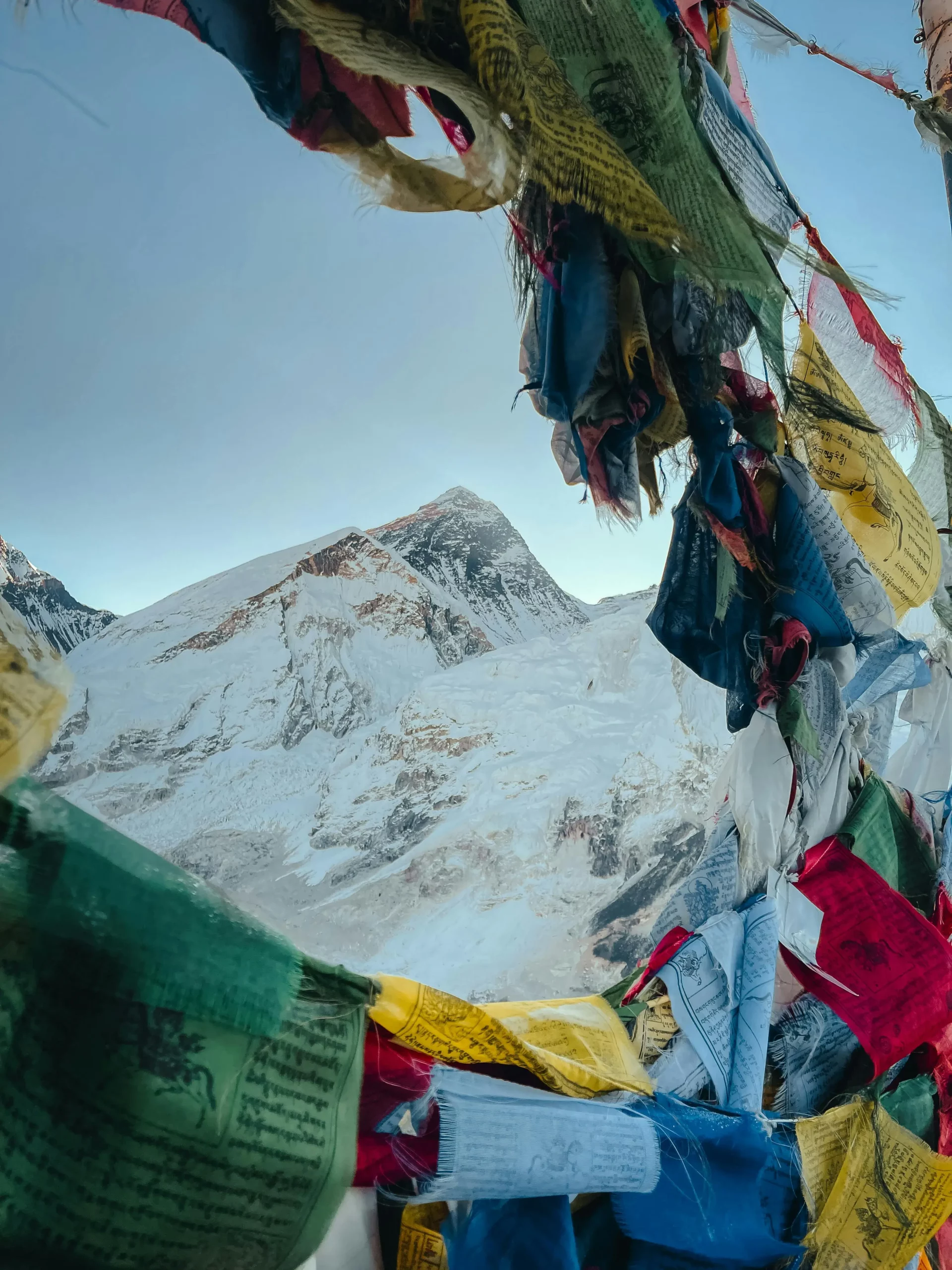
While summit attempts will not begin until May, the arrival of the Icefall Doctors marks the true beginning of the Everest climbing season.
In the coming weeks, expedition teams from around the world will begin trekking toward Base Camp, preparing for acclimatization climbs through the Icefall – along the route first carved each spring by the Sherpas who make Everest accessible to the rest of the climbing world.

Share this post:



Comments