
Mount Vinson 1966: The Frozen Giant That Defied Men
Far from the Himalayas, the Alps, and even the Andes, lies a continent few have walked: Antarctica. Here, the ice stretches endlessly, the wind never ceases, and temperatures can plunge below -40°C. Among these frozen expanses rises Mount Vinson, a 4,892-meter peak in the Sentinel Range.
Though modest in height compared to the giants of Nepal and Pakistan, Vinson is one of the harshest mountains on Earth. Ice cliffs, crevasse fields, and bitter winds make every step a test of endurance, courage, and careful planning.
By the mid-1960s, no human had ever stood on its summit. Its first ascent would require a team that could endure isolation, extreme cold, and the unknown.
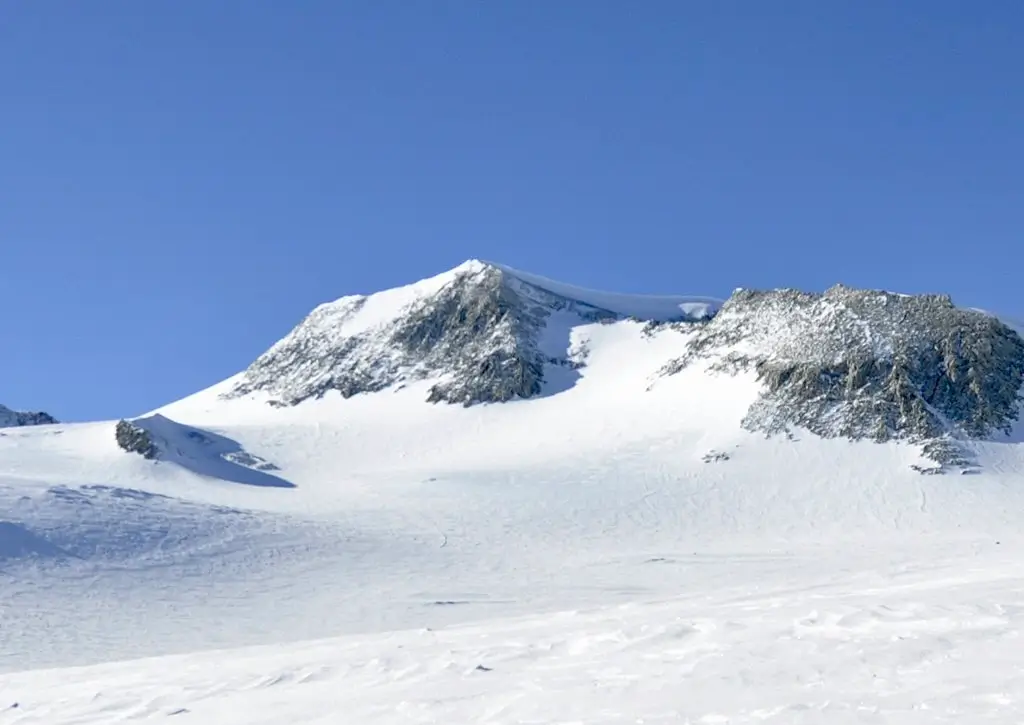
Mount Vinson from the northwest. Photo: Christian Stangl
The Team and the Expedition
The expedition was small, professional, and meticulously planned. Led by Nicholas Clinch, the team included a handful of climbers and support staff who were tasked not only with climbing but also with surviving one of the most hostile environments on Earth.
- Nicholas Clinch – leader, experienced in extreme climbs and logistics
- Antarctic specialists and climbers – trained for crevasses, ice, and storm survival
They arrived at the Sentinel Range in December 1966, when the austral summer offered the longest days and relatively stable weather. Even then, temperatures rarely exceeded -20°C, and storms could appear without warning.
Climbing Into the Antarctic Silence
The team moved slowly, each day carefully measured. Unlike other famous ascents, there were no nearby villages, no rescue teams, and no reliable communication. Every step forward was permanent; every mistake could be fatal.
They crossed crevassed glaciers, set up base and high camps, and battled winds that threatened to blow their tents away. The mountain demanded patience, focus, and respect.
Finally, after days of painstaking ascent, the summit came into view. Its icy peak was crowned with snow sculpted by relentless katabatic winds. The final climb was technically moderate but psychologically extreme: the isolation, cold, and weight of the expedition pressed on every climber.
Reaching the Summit
On December 11, 1966, the team stood atop Mount Vinson for the first time in human history. The wind ripped across the Sentinel Range, and the vast Antarctic ice stretched endlessly in every direction. There were no cheering crowds, no immediate reports – only the quiet knowledge that they had conquered one of the most inaccessible summits on the planet.
This was a victory of endurance, preparation, and sheer will, rather than speed or technical brilliance. Every decision along the route had been critical, every ration carefully measured, every anchor and rope placement a matter of survival.
The Legacy of Vinson’s First Ascent
The Vinson expedition is less famous than Everest or K2, but its story has elements that make it perfect for intrigue and engagement:
- Extreme isolation and risk
- Harsh, visually stunning environment
- Triumph of human planning, teamwork, and survival
- A true “unknown” mountain at the time
Today, Mount Vinson is climbed more frequently thanks to modern transport and guide services, but the first ascent remains a legendary feat. It was not just a climb – it was a test of human limits in the harshest environment on Earth.
Unlike Everest, K2, or Cerro Torre, Vinson’s appeal lies in the unknown and the extreme. It’s a reminder that mountaineering isn’t only about altitude or fame: it’s about courage, preparation, and respect for the mountain.
The Antarctic wind, the endless ice, the complete isolation – this is where skill meets endurance, and where human determination becomes legend.

Share this post:



Comments
1 Comments
Saved as a favorite, I love your site!